 70 Morley Cresent, Kelloe, Durham DH64NS
Resin Patio Installers Durham: Installation Methods Compared
Resin patios have become a popular choice for outdoor spaces thanks to their smooth finish, durability, and low maintenance. However,…

Why you can trust our content
At a glance
Resin patios have become a popular choice for outdoor spaces thanks to their smooth finish, durability, and low maintenance. However, not all installations are carried out in the same way, and the method used can significantly affect performance over time.
If you are considering resin patios, understanding how different installation approaches work will help you choose the right solution for your property. The key differences often come down to groundwork, base preparation, and whether the surface is laid from scratch or over an existing base.
What installation methods do resin patio installers use?
There are generally two main approaches used by resin patio installers in Durham:
Each method has its own advantages and is suited to different situations.
What is a full resin patio installation?
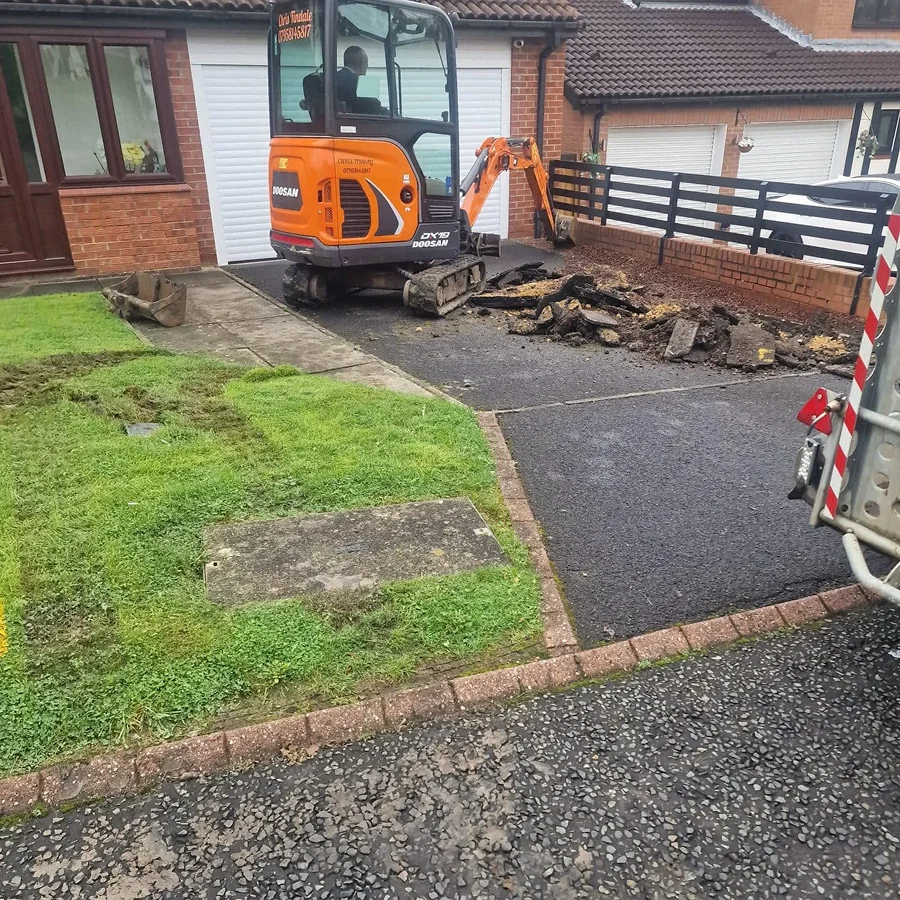
A full installation involves building the patio from the ground up. This is the most comprehensive method and is often recommended when the existing surface is unsuitable.
The process typically includes:
This approach provides a completely new structure designed for long-term stability.
When is an overlay installation suitable?
Overlay installations involve applying resin directly onto an existing base, such as concrete or tarmac. This can be a more efficient option, but only if the base is in good condition.
A suitable base must be:
If these conditions are not met, overlaying can lead to problems later.
How do the two methods compare?
Choosing between a full installation and an overlay depends on several factors, including the condition of the existing surface and the desired lifespan.
| Feature | Full Installation | Overlay Installation |
| Preparation required | Extensive | Minimal (if base is suitable) |
| Cost | Higher upfront | Lower initial cost |
| Durability | Long-term reliability | Dependent on the existing base |
| Drainage performance | Fully optimised | Limited by base condition |
Understanding these differences can help you select the most appropriate method.
Which method is better for long-term durability?
In most cases, a full installation offers better long-term results. By rebuilding the entire structure, installers can ensure proper drainage, stability, and support.
Overlay installations can still be effective, but they rely heavily on the quality of the existing base. Any underlying issues may eventually affect the new surface.
For homeowners planning long-term improvements, many resin patio installers in Durham recommend starting from scratch where possible.
How important is groundwork for resin patios?
Groundwork is one of the most critical aspects of any installation. Even the highest quality resin surface cannot compensate for a poorly prepared base.
Proper groundwork ensures:
This is why experienced installers place such strong emphasis on preparation.
What role does drainage play in installation?
Drainage is essential for maintaining the performance of resin patios. While the surface itself is permeable, the underlying layers must also support water flow.
A well-designed system will:
Drainage planning is especially important in areas with regular rainfall.
How do professionals choose the right method?
A professional installer will assess the site before recommending an approach. This ensures the chosen method is suited to the specific conditions of your property.
Factors considered include:
When searching for resin patio installers in Durham, choosing a company that carries out a thorough assessment is essential.
Choose your preferred outdoor space finish?

Resin

Tarmac
It just takes 2 minutes
And then you can book a free consultation
What are the risks of choosing the wrong method?
Selecting the wrong installation method can lead to issues that affect both appearance and performance.
Potential problems include:
Taking the time to choose the correct approach helps avoid these complications.
Case example: Overlay vs full installation
A homeowner had an existing concrete patio that appeared solid but had minor cracks. An overlay installation was initially considered to reduce costs.
After the assessment, it was clear that the base was beginning to deteriorate. A full installation was recommended instead, involving excavation and a new sub-base.
The result was a stable, long-lasting patio with improved drainage and a more consistent finish, avoiding the risk of future repairs.
How can you compare installer recommendations?
Different installers may suggest different methods, so it is important to understand the reasoning behind each recommendation.
Look for:
A transparent approach helps you make a more informed decision.
Choosing the right installation method is just as important as selecting the surface itself. Whether you opt for a full build or an overlay, the quality of the groundwork and preparation will determine how well your patio performs over time.
By working with experienced professionals and understanding the differences between methods, you can ensure your patio is built to last and suited to your property’s needs.
Related articles


Choose your preferred outdoor space finish?
Resin
Tarmac
At a glance
Resin patios have become a popular choice for outdoor spaces thanks to their smooth finish, durability, and low maintenance. However, not all installations are carried out in the same way, and the method used can significantly affect performance over time.
If you are considering resin patios, understanding how different installation approaches work will help you choose the right solution for your property. The key differences often come down to groundwork, base preparation, and whether the surface is laid from scratch or over an existing base.
What installation methods do resin patio installers use?
There are generally two main approaches used by resin patio installers in Durham:
Each method has its own advantages and is suited to different situations.
What is a full resin patio installation?
A full installation involves building the patio from the ground up. This is the most comprehensive method and is often recommended when the existing surface is unsuitable.
The process typically includes:
This approach provides a completely new structure designed for long-term stability.
When is an overlay installation suitable?
Overlay installations involve applying resin directly onto an existing base, such as concrete or tarmac. This can be a more efficient option, but only if the base is in good condition.
A suitable base must be:
If these conditions are not met, overlaying can lead to problems later.
How do the two methods compare?
Choosing between a full installation and an overlay depends on several factors, including the condition of the existing surface and the desired lifespan.
| Feature | Full Installation | Overlay Installation |
| Preparation required | Extensive | Minimal (if base is suitable) |
| Cost | Higher upfront | Lower initial cost |
| Durability | Long-term reliability | Dependent on the existing base |
| Drainage performance | Fully optimised | Limited by base condition |
Understanding these differences can help you select the most appropriate method.
Which method is better for long-term durability?
In most cases, a full installation offers better long-term results. By rebuilding the entire structure, installers can ensure proper drainage, stability, and support.
Overlay installations can still be effective, but they rely heavily on the quality of the existing base. Any underlying issues may eventually affect the new surface.
For homeowners planning long-term improvements, many resin patio installers in Durham recommend starting from scratch where possible.
How important is groundwork for resin patios?
Groundwork is one of the most critical aspects of any installation. Even the highest quality resin surface cannot compensate for a poorly prepared base.
Proper groundwork ensures:
This is why experienced installers place such strong emphasis on preparation.
What role does drainage play in installation?
Drainage is essential for maintaining the performance of resin patios. While the surface itself is permeable, the underlying layers must also support water flow.
A well-designed system will:
Drainage planning is especially important in areas with regular rainfall.
How do professionals choose the right method?
A professional installer will assess the site before recommending an approach. This ensures the chosen method is suited to the specific conditions of your property.
Factors considered include:
When searching for resin patio installers in Durham, choosing a company that carries out a thorough assessment is essential.
Choose your preferred outdoor space finish?
Resin
Tarmac
It just takes 2 minutes
And then you can book a free consultation
What are the risks of choosing the wrong method?
Selecting the wrong installation method can lead to issues that affect both appearance and performance.
Potential problems include:
Taking the time to choose the correct approach helps avoid these complications.
Case example: Overlay vs full installation
A homeowner had an existing concrete patio that appeared solid but had minor cracks. An overlay installation was initially considered to reduce costs.
After the assessment, it was clear that the base was beginning to deteriorate. A full installation was recommended instead, involving excavation and a new sub-base.
The result was a stable, long-lasting patio with improved drainage and a more consistent finish, avoiding the risk of future repairs.
How can you compare installer recommendations?
Different installers may suggest different methods, so it is important to understand the reasoning behind each recommendation.
Look for:
A transparent approach helps you make a more informed decision.
Choosing the right installation method is just as important as selecting the surface itself. Whether you opt for a full build or an overlay, the quality of the groundwork and preparation will determine how well your patio performs over time.
By working with experienced professionals and understanding the differences between methods, you can ensure your patio is built to last and suited to your property’s needs.
Related articles
Choose your preferred outdoor space finish?
Resin
Tarmac


