 70 Morley Cresent, Kelloe, Durham DH64NS
Common Issues with Resin Paths and How to Prevent Them
Learn about the most common resin path problems and discover practical steps to prevent them, ensuring a durable and attractive surface for years to come.

Why you can trust our content
At a glance
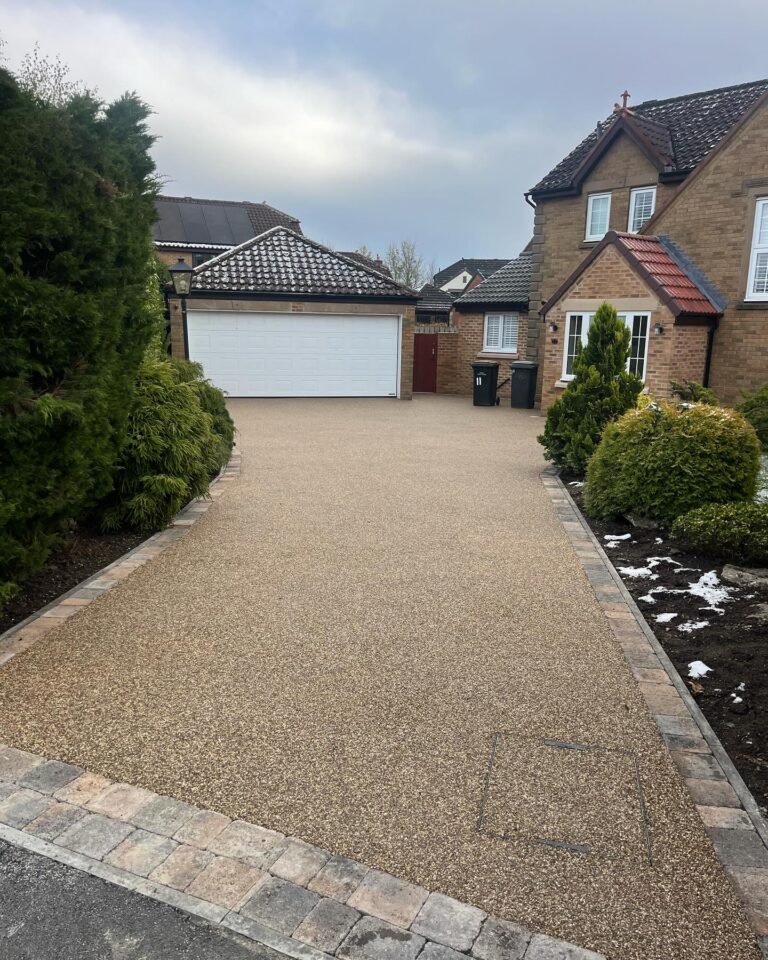
Resin-bound surfaces are widely chosen for their clean finish, permeability, and low maintenance. However, like any outdoor surface, they are not completely immune to wear and tear over time. Understanding the most common issues can help you avoid costly repairs and keep your path looking its best for years.
If you are considering or already have resin paths, knowing what can go wrong and how to prevent it is key. Many problems are not caused by the material itself, but by installation quality or lack of maintenance.
If you are unsure about the condition of your surface, our team can assess it and offer practical advice tailored to your property.
What Are the Most Common Problems with Resin Paths?
Although resin surfaces are durable, a few recurring issues can appear over time. These are often preventable with the right approach.
Typical issues include:
Each of these problems has a different cause, which means prevention strategies will vary.
Why Do Resin Paths Crack or Become Uneven?
Cracking is one of the most concerning issues for homeowners. However, it is rarely caused by the resin layer itself.
Common causes of cracking:
A properly installed sub-base is essential. This is why working with experienced resin path installers in Durham can make a significant difference to long-term performance.
Choose your preferred outdoor space finish?

Resin

Tarmac
It just takes 2 minutes
And then you can book a free consultation
How Can Loose Stones or Wear Be Prevented?
Over time, some paths may show signs of loose aggregate or thinning in high-traffic areas. This usually happens when the resin mix is not applied correctly or when the surface is exposed to constant pressure.
Prevention tips:
Well-installed resin paths should maintain a consistent finish for many years, even with regular use.
Does Discolouration Affect Resin Paths?
Discolouration is usually a cosmetic issue rather than a structural one. However, it can affect the overall appearance of your outdoor space.
Causes of fading or staining:
How to prevent it:
When installed correctly, modern resin systems are designed to resist fading and maintain their colour over time.
Why Do Weeds Grow in Resin Paths?
One of the key benefits of resin is its resistance to weed growth. However, this does not make it completely weed-proof.
Common reasons weeds appear:
Prevention methods:
Weeds rarely grow through the surface itself. Instead, they develop on top, which makes them easier to manage.
How Important Is Drainage for Resin Paths?
Drainage plays a major role in the longevity of any outdoor surface. Resin-bound systems are designed to be permeable, allowing water to pass through.
However, problems can occur if:
Signs of poor drainage:
Working with trusted resin path installers in Durham ensures the correct groundwork is in place to support effective drainage.
Maintenance Checklist for Long-Term Performance
Keeping your path in good condition does not require intensive work, but consistency is key.
Recommended maintenance routine:
A simple routine like this can significantly extend the lifespan of your surface.
Common Issues vs Prevention Methods
| Issue | Likely Cause | Prevention Strategy |
| Cracking | Poor sub-base | Professional installation |
| Loose aggregate | Incorrect resin mix | Quality materials and application |
| Discolouration | UV exposure or spills | UV-stable resin and regular cleaning |
| Weed growth | Debris build-up | Routine sweeping and maintenance |
| Drainage problems | Improper base or layout | Correct groundwork and planning |
When Should You Seek Professional Help?
Not all issues require a full replacement. In many cases, early intervention can save both time and cost.
Consider contacting a specialist if:
Professional advice can help determine whether a repair or more extensive work is needed.
If you are noticing any of these signs, speak to our team for an honest assessment and practical recommendations.
Can Resin Paths Be Repaired Easily?
In many cases, yes. Minor issues such as small cracks or worn patches can often be repaired without replacing the entire surface.
Repair options may include:
However, if the underlying base has failed, more extensive work may be required.
Speak to Our Resin Path Specialists Today
Resin paths are a practical and attractive choice for many homeowners, offering durability with minimal upkeep. While issues can occur, most are preventable with proper installation and a simple maintenance routine.
By understanding what to look out for and acting early, you can protect your investment and keep your path looking its best for years. Choosing experienced professionals and maintaining the surface regularly will go a long way towards avoiding common problems.
If you are planning a new installation or need help with an existing surface, contact North East Surfacing to discuss your options with an experienced team.
Related articles
Choose your preferred outdoor space finish?
Resin
Tarmac
At a glance
Resin-bound surfaces are widely chosen for their clean finish, permeability, and low maintenance. However, like any outdoor surface, they are not completely immune to wear and tear over time. Understanding the most common issues can help you avoid costly repairs and keep your path looking its best for years.
If you are considering or already have resin paths, knowing what can go wrong and how to prevent it is key. Many problems are not caused by the material itself, but by installation quality or lack of maintenance.
If you are unsure about the condition of your surface, our team can assess it and offer practical advice tailored to your property.
What Are the Most Common Problems with Resin Paths?
Although resin surfaces are durable, a few recurring issues can appear over time. These are often preventable with the right approach.
Typical issues include:
Each of these problems has a different cause, which means prevention strategies will vary.
Why Do Resin Paths Crack or Become Uneven?
Cracking is one of the most concerning issues for homeowners. However, it is rarely caused by the resin layer itself.
Common causes of cracking:
A properly installed sub-base is essential. This is why working with experienced resin path installers in Durham can make a significant difference to long-term performance.
Choose your preferred outdoor space finish?
Resin
Tarmac
It just takes 2 minutes
And then you can book a free consultation
How Can Loose Stones or Wear Be Prevented?
Over time, some paths may show signs of loose aggregate or thinning in high-traffic areas. This usually happens when the resin mix is not applied correctly or when the surface is exposed to constant pressure.
Prevention tips:
Well-installed resin paths should maintain a consistent finish for many years, even with regular use.
Does Discolouration Affect Resin Paths?
Discolouration is usually a cosmetic issue rather than a structural one. However, it can affect the overall appearance of your outdoor space.
Causes of fading or staining:
How to prevent it:
When installed correctly, modern resin systems are designed to resist fading and maintain their colour over time.
Why Do Weeds Grow in Resin Paths?
One of the key benefits of resin is its resistance to weed growth. However, this does not make it completely weed-proof.
Common reasons weeds appear:
Prevention methods:
Weeds rarely grow through the surface itself. Instead, they develop on top, which makes them easier to manage.
How Important Is Drainage for Resin Paths?
Drainage plays a major role in the longevity of any outdoor surface. Resin-bound systems are designed to be permeable, allowing water to pass through.
However, problems can occur if:
Signs of poor drainage:
Working with trusted resin path installers in Durham ensures the correct groundwork is in place to support effective drainage.
Maintenance Checklist for Long-Term Performance
Keeping your path in good condition does not require intensive work, but consistency is key.
Recommended maintenance routine:
A simple routine like this can significantly extend the lifespan of your surface.
Common Issues vs Prevention Methods
| Issue | Likely Cause | Prevention Strategy |
| Cracking | Poor sub-base | Professional installation |
| Loose aggregate | Incorrect resin mix | Quality materials and application |
| Discolouration | UV exposure or spills | UV-stable resin and regular cleaning |
| Weed growth | Debris build-up | Routine sweeping and maintenance |
| Drainage problems | Improper base or layout | Correct groundwork and planning |
When Should You Seek Professional Help?
Not all issues require a full replacement. In many cases, early intervention can save both time and cost.
Consider contacting a specialist if:
Professional advice can help determine whether a repair or more extensive work is needed.
If you are noticing any of these signs, speak to our team for an honest assessment and practical recommendations.
Can Resin Paths Be Repaired Easily?
In many cases, yes. Minor issues such as small cracks or worn patches can often be repaired without replacing the entire surface.
Repair options may include:
However, if the underlying base has failed, more extensive work may be required.
Speak to Our Resin Path Specialists Today
Resin paths are a practical and attractive choice for many homeowners, offering durability with minimal upkeep. While issues can occur, most are preventable with proper installation and a simple maintenance routine.
By understanding what to look out for and acting early, you can protect your investment and keep your path looking its best for years. Choosing experienced professionals and maintaining the surface regularly will go a long way towards avoiding common problems.
If you are planning a new installation or need help with an existing surface, contact North East Surfacing to discuss your options with an experienced team.
Related articles
Choose your preferred outdoor space finish?
Resin
Tarmac


