 70 Morley Cresent, Kelloe, Durham DH64NS
Comparing Resin Patios to Traditional Slabbing: Which Offers Better Value?
When planning a new patio, Durham homeowners often wonder whether to choose a resin patio or stick with traditional slabbing….

Why you can trust our content
At a glance
When planning a new patio, Durham homeowners often wonder whether to choose a resin patio or stick with traditional slabbing. Both options have distinct advantages, but understanding the differences in durability, aesthetics, and cost can help you make an informed decision.
Resin patios are increasingly popular due to their low-maintenance, seamless finish, and long-lasting performance. Traditional slabbing, on the other hand, has been the go-to choice for decades but may require more upkeep and can be prone to cracking over time.
This guide compares the two options, helping you evaluate value, lifespan, and practical considerations before booking professional resin patio installers in Durham.
What Are Resin Patios?
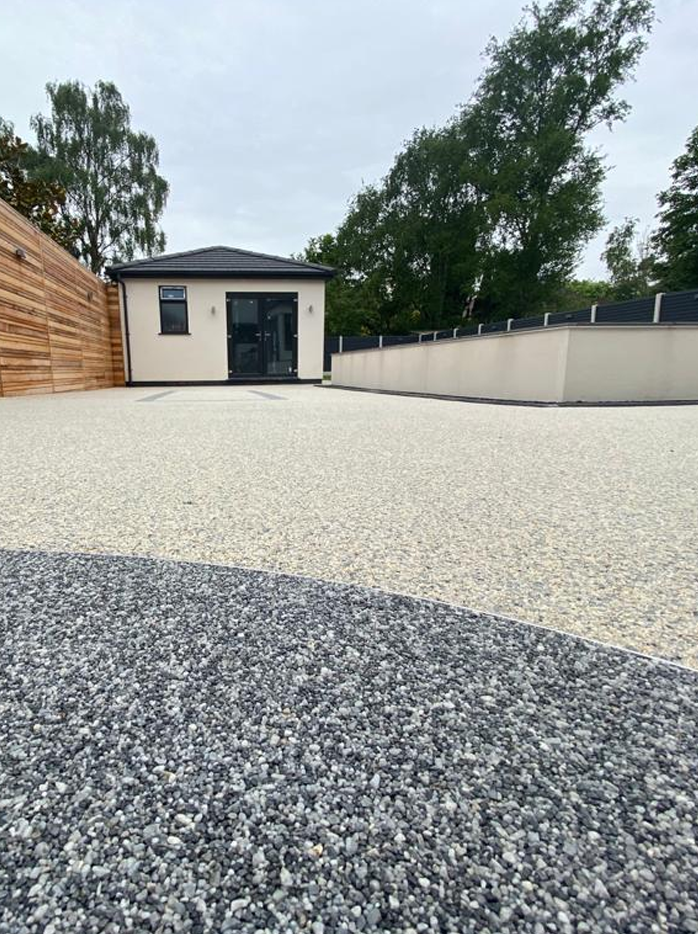
A resin patio is made by combining aggregate stones with a clear resin binder, creating a smooth, durable, and visually appealing surface.
Key Benefits:
- Seamless Finish: No visible joints, reducing weed growth and water pooling.
- Durable: Flexible enough to withstand frost, rain, and daily foot traffic.
- Customisable: Wide range of colours, stone sizes, and patterns.
- Low Maintenance: Requires only occasional sweeping and washing.
Resin patios are ideal for homeowners who want a contemporary, long-lasting outdoor space with minimal upkeep.
What Are Traditional Slab Patios?
Traditional patios are created using pre-cast concrete or stone slabs, laid on a sand or mortar base.
Key Benefits:
- Classic Appearance: Available in various colours, shapes, and textures.
- Initial Cost: Typically cheaper than resin for basic installations.
- DIY Friendly: Smaller projects can sometimes be completed by homeowners.
However, slabs can shift, crack, or allow weed growth between joints over time, leading to higher long-term maintenance.
Choose your preferred outdoor space finish?

Resin

Tarmac
It just takes 2 minutes
And then you can book a free consultation
Cost Comparison: Resin Patios vs Slabs
Cost is often a deciding factor. While resin patios generally have a higher upfront price, they can offer better long-term value.
| Feature | Resin Patio | Traditional Slabbing |
| Initial Cost | Medium–High (£60–£90/m²) | Low–Medium (£35–£60/m²) |
| Maintenance | Low; occasional sweeping | Higher; may need joint re-sanding or slab replacement |
| Lifespan | 15–25 years | 10–15 years, prone to cracks |
| Aesthetic Flexibility | High; seamless, custom colours | Medium; limited by slab size and shape |
| Slip Resistance | High, natural grip | Varies; smooth slabs can be slippery when wet |
Considering both initial investment and ongoing maintenance costs, resin patios often offer better value over the long term, particularly for homeowners seeking durability and minimal upkeep.
How Do Resin Patios Offer Better Longevity?
Several technical factors contribute to the long lifespan of resin patios:
- UV-Stable Resin: Prevents yellowing and fading.
- Permeable Surface: Water drains naturally, reducing frost damage.
- Flexible Finish: Minor ground movement doesn’t cause cracks like traditional slabs.
- Professional Installation: Ensures proper base preparation, resin mixing, and curing.
Professional resin driveway experts often recommend resin patios for areas exposed to frequent foot traffic or varying weather conditions, as they retain appearance and function longer than traditional slabs.
Maintenance Considerations
Resin Patio Maintenance:
- Sweep regularly to remove leaves and debris.
- Wash with a mild detergent if needed.
- Inspect edges periodically for minor damage and repair as required.
Traditional Slab Maintenance:
- Remove weeds from joints.
- Replace cracked or shifted slabs.
- Pressure wash or reseal slabs to maintain appearance.
The reduced maintenance requirements of resin patios contribute significantly to their long-term value.
Case Study: Durham Patio Upgrade
A homeowner in Durham wanted to replace a worn, uneven slab patio with a modern, durable surface:
- Step 1: Existing slabs were removed and the base excavated.
- Step 2: Compacted sub-base installed for stability.
- Step 3: Resin mixed with decorative aggregates applied evenly, creating a seamless finish.
- Step 4: Cured over 48 hours, the patio was ready for furniture and daily use.
The result was a patio that looked stylish, required minimal maintenance, and would last for decades, demonstrating why resin is often preferred over traditional slabbing.
Frequently Asked Questions
Q: How long do resin patios last compared to slabs?
A: Resin patios typically last 15–25 years, while traditional slabs last 10–15 years and may crack over time.
Q: Are resin patios more expensive than slabs?
A: Yes, initial costs are higher, but lower maintenance and longer lifespan often provide better long-term value.
Q: Can resin patios be installed over existing slabs?
A: In some cases, yes, but it is usually recommended to remove old slabs and prepare a proper sub-base for a durable finish.
For Durham homeowners, resin patios offer superior durability, low maintenance, and design flexibility compared to traditional slabbing. While slabs may be cheaper initially, resin patios provide better long-term value, lasting longer and retaining their appearance with minimal upkeep.
To explore resin patio installation in Durham, contact North East Surfacing. Our team of experienced resin patio installers can advise on the best solution for your garden and provide a tailored, professional installation.
Related articles
Choose your preferred outdoor space finish?
Resin
Tarmac
At a glance
When planning a new patio, Durham homeowners often wonder whether to choose a resin patio or stick with traditional slabbing. Both options have distinct advantages, but understanding the differences in durability, aesthetics, and cost can help you make an informed decision.
Resin patios are increasingly popular due to their low-maintenance, seamless finish, and long-lasting performance. Traditional slabbing, on the other hand, has been the go-to choice for decades but may require more upkeep and can be prone to cracking over time.
This guide compares the two options, helping you evaluate value, lifespan, and practical considerations before booking professional resin patio installers in Durham.
What Are Resin Patios?
A resin patio is made by combining aggregate stones with a clear resin binder, creating a smooth, durable, and visually appealing surface.
Key Benefits:
- Seamless Finish: No visible joints, reducing weed growth and water pooling.
- Durable: Flexible enough to withstand frost, rain, and daily foot traffic.
- Customisable: Wide range of colours, stone sizes, and patterns.
- Low Maintenance: Requires only occasional sweeping and washing.
Resin patios are ideal for homeowners who want a contemporary, long-lasting outdoor space with minimal upkeep.
What Are Traditional Slab Patios?
Traditional patios are created using pre-cast concrete or stone slabs, laid on a sand or mortar base.
Key Benefits:
- Classic Appearance: Available in various colours, shapes, and textures.
- Initial Cost: Typically cheaper than resin for basic installations.
- DIY Friendly: Smaller projects can sometimes be completed by homeowners.
However, slabs can shift, crack, or allow weed growth between joints over time, leading to higher long-term maintenance.
Choose your preferred outdoor space finish?
Resin
Tarmac
It just takes 2 minutes
And then you can book a free consultation
Cost Comparison: Resin Patios vs Slabs
Cost is often a deciding factor. While resin patios generally have a higher upfront price, they can offer better long-term value.
| Feature | Resin Patio | Traditional Slabbing |
| Initial Cost | Medium–High (£60–£90/m²) | Low–Medium (£35–£60/m²) |
| Maintenance | Low; occasional sweeping | Higher; may need joint re-sanding or slab replacement |
| Lifespan | 15–25 years | 10–15 years, prone to cracks |
| Aesthetic Flexibility | High; seamless, custom colours | Medium; limited by slab size and shape |
| Slip Resistance | High, natural grip | Varies; smooth slabs can be slippery when wet |
Considering both initial investment and ongoing maintenance costs, resin patios often offer better value over the long term, particularly for homeowners seeking durability and minimal upkeep.
How Do Resin Patios Offer Better Longevity?
Several technical factors contribute to the long lifespan of resin patios:
- UV-Stable Resin: Prevents yellowing and fading.
- Permeable Surface: Water drains naturally, reducing frost damage.
- Flexible Finish: Minor ground movement doesn’t cause cracks like traditional slabs.
- Professional Installation: Ensures proper base preparation, resin mixing, and curing.
Professional resin driveway experts often recommend resin patios for areas exposed to frequent foot traffic or varying weather conditions, as they retain appearance and function longer than traditional slabs.
Maintenance Considerations
Resin Patio Maintenance:
- Sweep regularly to remove leaves and debris.
- Wash with a mild detergent if needed.
- Inspect edges periodically for minor damage and repair as required.
Traditional Slab Maintenance:
- Remove weeds from joints.
- Replace cracked or shifted slabs.
- Pressure wash or reseal slabs to maintain appearance.
The reduced maintenance requirements of resin patios contribute significantly to their long-term value.
Case Study: Durham Patio Upgrade
A homeowner in Durham wanted to replace a worn, uneven slab patio with a modern, durable surface:
- Step 1: Existing slabs were removed and the base excavated.
- Step 2: Compacted sub-base installed for stability.
- Step 3: Resin mixed with decorative aggregates applied evenly, creating a seamless finish.
- Step 4: Cured over 48 hours, the patio was ready for furniture and daily use.
The result was a patio that looked stylish, required minimal maintenance, and would last for decades, demonstrating why resin is often preferred over traditional slabbing.
Frequently Asked Questions
Q: How long do resin patios last compared to slabs?
A: Resin patios typically last 15–25 years, while traditional slabs last 10–15 years and may crack over time.
Q: Are resin patios more expensive than slabs?
A: Yes, initial costs are higher, but lower maintenance and longer lifespan often provide better long-term value.
Q: Can resin patios be installed over existing slabs?
A: In some cases, yes, but it is usually recommended to remove old slabs and prepare a proper sub-base for a durable finish.
For Durham homeowners, resin patios offer superior durability, low maintenance, and design flexibility compared to traditional slabbing. While slabs may be cheaper initially, resin patios provide better long-term value, lasting longer and retaining their appearance with minimal upkeep.
To explore resin patio installation in Durham, contact North East Surfacing. Our team of experienced resin patio installers can advise on the best solution for your garden and provide a tailored, professional installation.
Related articles
Choose your preferred outdoor space finish?
Resin
Tarmac


