 70 Morley Cresent, Kelloe, Durham DH64NS
Resin Paths vs Gravel Paths: Which Is Better for UK Gardens?
Garden paths do more than guide you from A to B. They shape how a space feels, influence how easy…

Why you can trust our content

At a glance
Garden paths do more than guide you from A to B. They shape how a space feels, influence how easy it is to maintain, and affect how well your garden copes with wet weather. Two of the most common choices for UK gardens are resin-bound paths and traditional gravel.
Both surfaces are popular, but they offer very different experiences over time. This guide compares resin paths and gravel paths across durability, drainage, maintenance, appearance and long-term value, helping homeowners make a confident, informed decision.
If you are considering a new garden path and want advice tailored to your layout and soil conditions, speaking to a specialist early can help narrow your options.
What are the key differences between resin paths and gravel paths?
At first glance, resin and gravel can look similar, especially when natural aggregates are used. The difference lies in how the surface behaves underfoot.
Gravel paths consist of loose stones laid over a membrane. Resin-bound paths mix those stones with a clear resin, forming a solid yet permeable surface.
This structural difference affects:
Understanding these basics makes it easier to compare which surface suits your garden best.
Which path surface is more durable over time?
Durability is often where the two options separate most clearly.
Gravel paths can shift, thin out and develop uneven areas over time, particularly in high-traffic sections. Resin-bound paths, once cured, remain fixed in place.
Resin paths typically offer:
This is why many homeowners choose resin when working with experienced resin path installers durham residents trust for long-lasting results.
How do resin paths and gravel handle drainage?
Drainage is important for any garden surface, especially during heavy rainfall.
Both resin and gravel are permeable, allowing water to soak into the ground below. However, the way they manage surface water differs.
Gravel allows drainage but can migrate during heavy rain. Resin-bound paths allow water through while keeping aggregates locked in place. This reduces wash-out and helps maintain path shape and edges.
Are resin paths easier to maintain than gravel?
Maintenance is a major consideration for many homeowners.
Gravel paths often require:
Resin paths generally need:
There are no loose stones to redistribute, making resin a lower-maintenance option for busy households.
Which surface is safer and more accessible?
Accessibility is often overlooked, but it matters for families, older residents and visitors.
Gravel can be difficult for:
Resin paths provide a smooth, even finish that is easier to walk on and offers good slip resistance. This makes them suitable for main access routes and frequently used garden areas.
Appearance comparison: resin vs gravel paths
Both surfaces can look attractive, but they offer different design possibilities.
Gravel provides a traditional, informal look that suits cottage-style gardens. Resin-bound paths offer:
This flexibility allows resin paths to complement both contemporary and traditional landscapes.
Cost comparison: short-term vs long-term value
Upfront cost is only part of the picture. Long-term value depends on how often a surface needs attention or replacement.
| Factor | Resin Path | Gravel Path |
| Initial cost | Higher | Lower |
| Maintenance | Low | High |
| Stability | Excellent | Variable |
| Accessibility | High | Low |
| Long-term value | Strong | Moderate |
While gravel may seem cheaper initially, ongoing upkeep can narrow the gap over time. Understanding the full cost picture helps when comparing quotations.If you are budgeting for a wider project, requesting a detailed resin driveway installation quote durham homeowners rely on can help align expectations early.
Choose your preferred outdoor space finish?

Resin

Tarmac
It just takes 2 minutes
And then you can book a free consultation
Does installation quality affect performance?
Yes, particularly for resin-bound systems. Proper preparation ensures drainage, strength and longevity.
Professional installers will assess:
This is why choosing reputable resin path installers durham homeowners recommend can significantly affect long-term satisfaction.
Typical example: upgrading a gravel path in a Durham garden
A common scenario involves a side garden path laid in gravel that constantly spreads onto the lawn and driveway. After rainfall, stones migrate and puddles form.
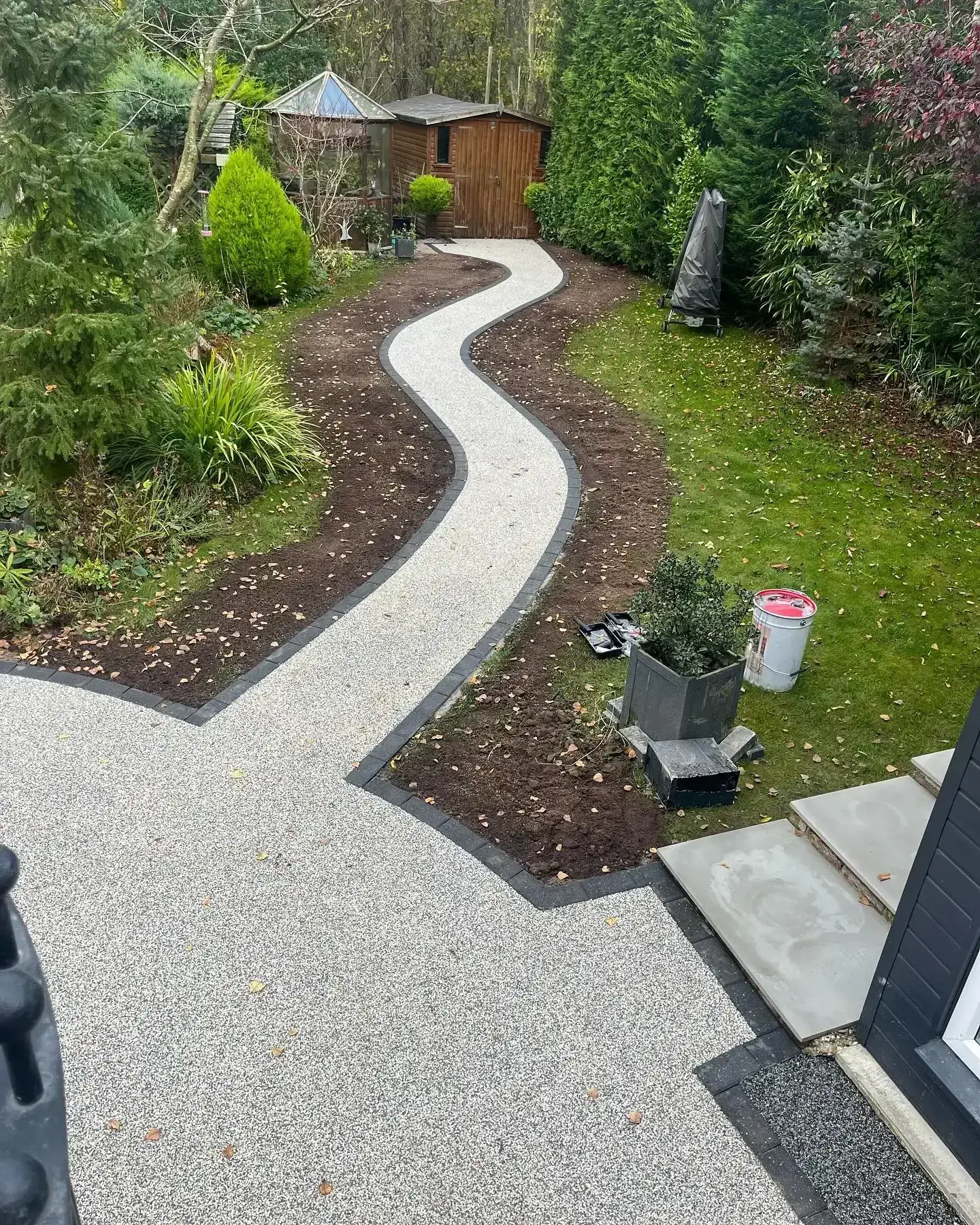
Replacing the gravel with a resin-bound path creates a stable, permeable route that stays in place and reduces ongoing maintenance. The result is a cleaner look and easier day-to-day use.
Which option suits different garden styles?
Gravel paths may suit:
Resin paths work well for:
Considering how the path will be used is just as important as how it looks.
How do resin paths fit within wider driveway choices?
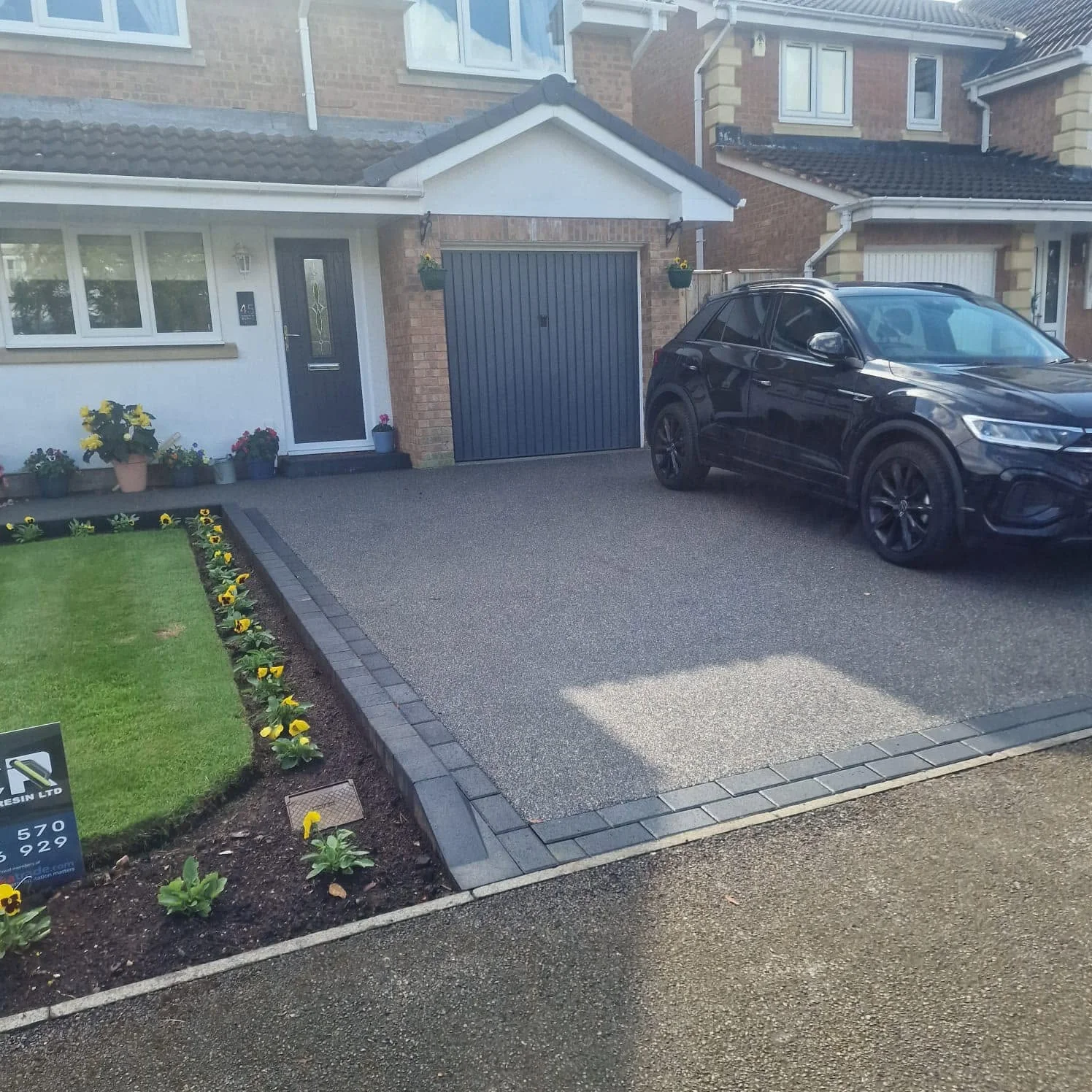
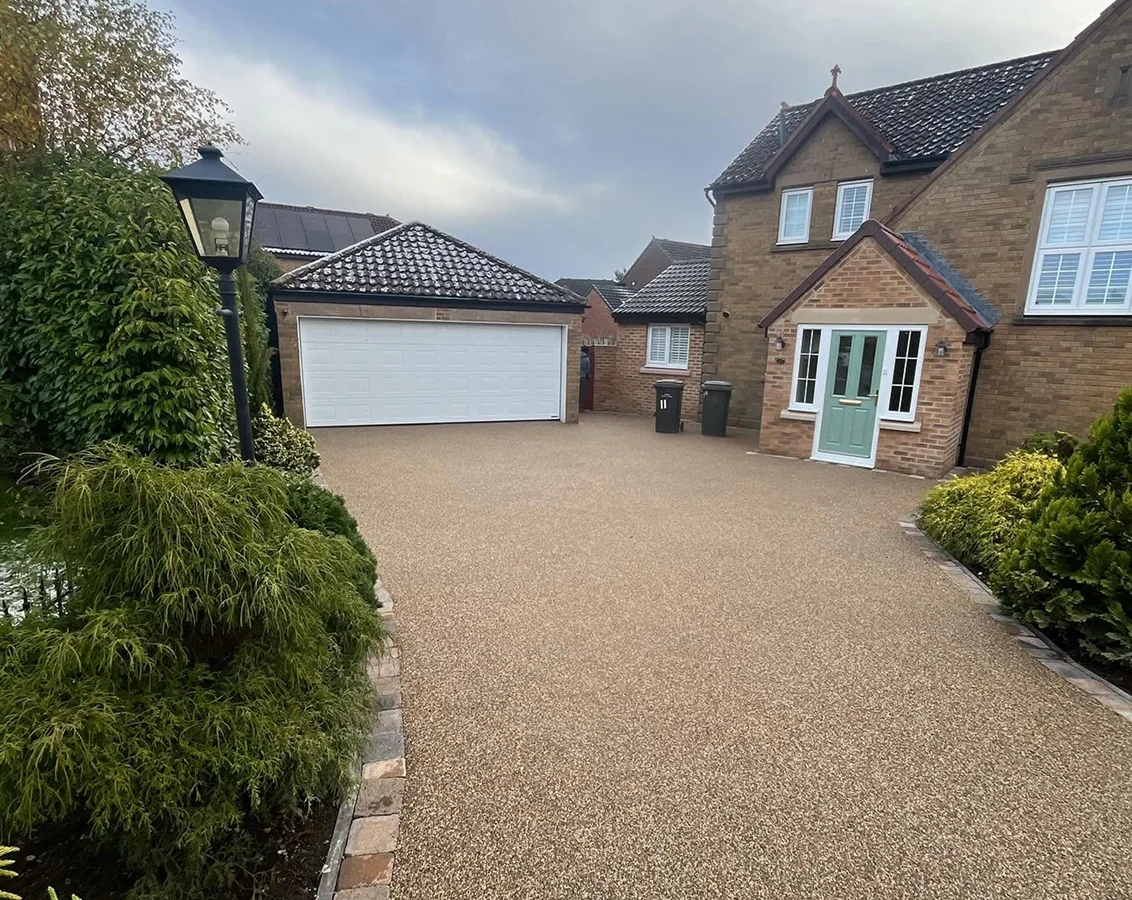
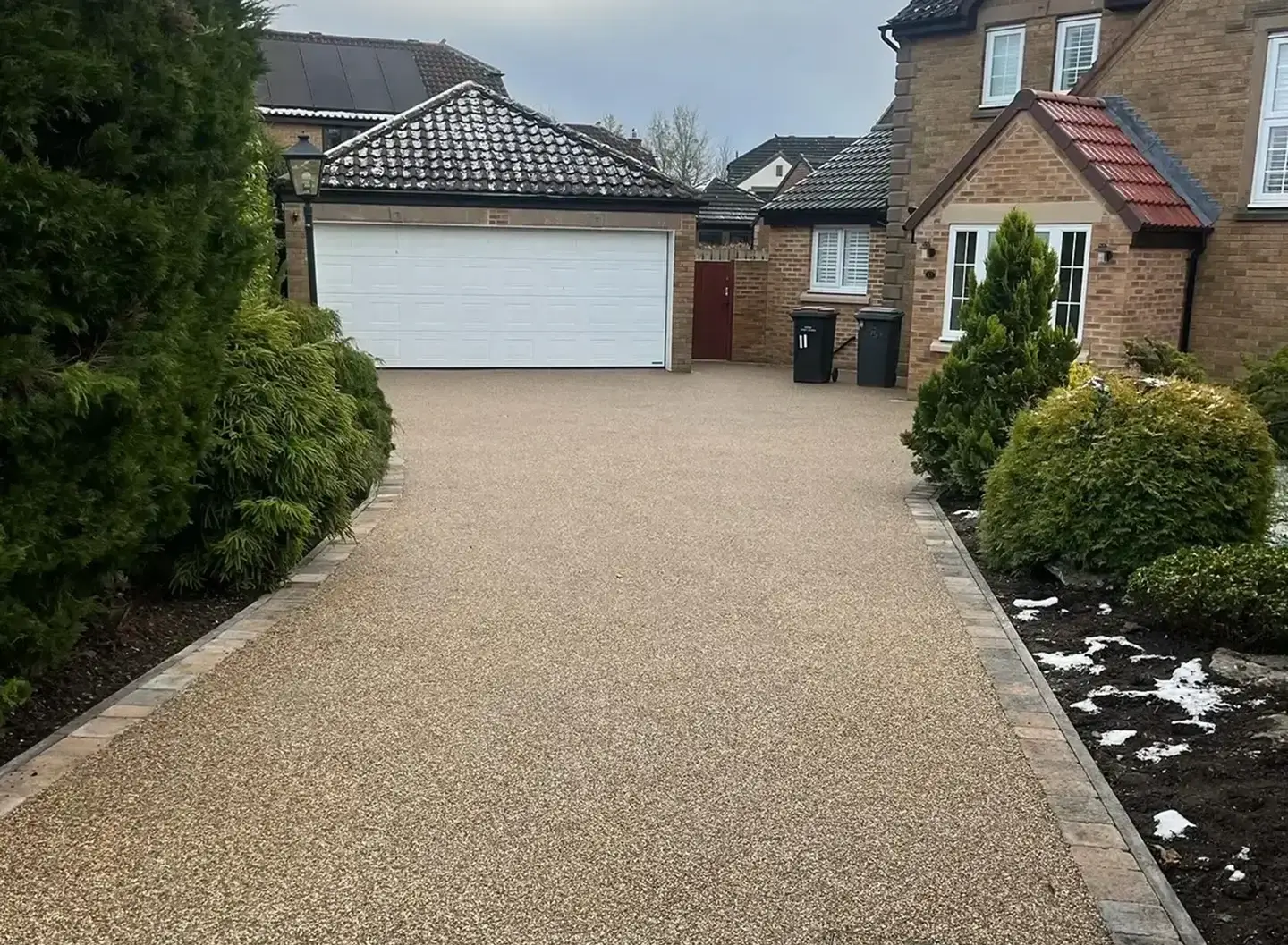
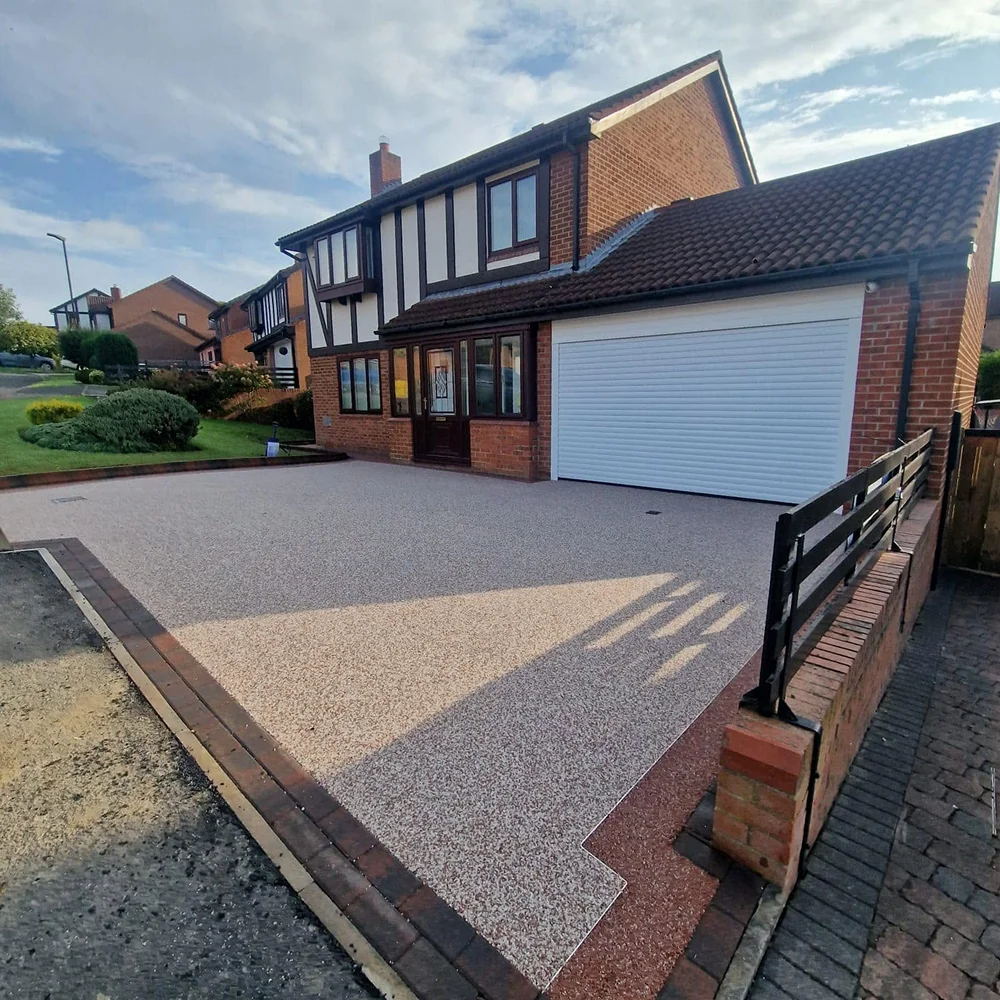
For homeowners planning coordinated outdoor upgrades, resin paths often pair well with resin driveways. Matching aggregates can create a cohesive look across different areas.
This flexibility sits alongside other resin driveway options, allowing paths and driveways to complement each other without appearing repetitive.
Both resin and gravel paths have their place, but they serve different needs. Gravel offers a traditional look with higher maintenance, while resin paths provide stability, accessibility and long-term ease of care.
For homeowners seeking a practical, durable solution that enhances everyday use, resin paths often offer better overall value. North East Surfacing provides clear, honest guidance to help you choose the right surface for your garden.
If you would like tailored advice or a site-specific quotation, you can contact our team to discuss your project in more detail.
Related articles
Choose your preferred outdoor space finish?
Resin
Tarmac
At a glance
Garden paths do more than guide you from A to B. They shape how a space feels, influence how easy it is to maintain, and affect how well your garden copes with wet weather. Two of the most common choices for UK gardens are resin-bound paths and traditional gravel.
Both surfaces are popular, but they offer very different experiences over time. This guide compares resin paths and gravel paths across durability, drainage, maintenance, appearance and long-term value, helping homeowners make a confident, informed decision.
If you are considering a new garden path and want advice tailored to your layout and soil conditions, speaking to a specialist early can help narrow your options.
What are the key differences between resin paths and gravel paths?
At first glance, resin and gravel can look similar, especially when natural aggregates are used. The difference lies in how the surface behaves underfoot.
Gravel paths consist of loose stones laid over a membrane. Resin-bound paths mix those stones with a clear resin, forming a solid yet permeable surface.
This structural difference affects:
Understanding these basics makes it easier to compare which surface suits your garden best.
Which path surface is more durable over time?
Durability is often where the two options separate most clearly.
Gravel paths can shift, thin out and develop uneven areas over time, particularly in high-traffic sections. Resin-bound paths, once cured, remain fixed in place.
Resin paths typically offer:
This is why many homeowners choose resin when working with experienced resin path installers durham residents trust for long-lasting results.
How do resin paths and gravel handle drainage?
Drainage is important for any garden surface, especially during heavy rainfall.
Both resin and gravel are permeable, allowing water to soak into the ground below. However, the way they manage surface water differs.
Gravel allows drainage but can migrate during heavy rain. Resin-bound paths allow water through while keeping aggregates locked in place. This reduces wash-out and helps maintain path shape and edges.
Are resin paths easier to maintain than gravel?
Maintenance is a major consideration for many homeowners.
Gravel paths often require:
Resin paths generally need:
There are no loose stones to redistribute, making resin a lower-maintenance option for busy households.
Which surface is safer and more accessible?
Accessibility is often overlooked, but it matters for families, older residents and visitors.
Gravel can be difficult for:
Resin paths provide a smooth, even finish that is easier to walk on and offers good slip resistance. This makes them suitable for main access routes and frequently used garden areas.
Appearance comparison: resin vs gravel paths
Both surfaces can look attractive, but they offer different design possibilities.
Gravel provides a traditional, informal look that suits cottage-style gardens. Resin-bound paths offer:
This flexibility allows resin paths to complement both contemporary and traditional landscapes.
Cost comparison: short-term vs long-term value
Upfront cost is only part of the picture. Long-term value depends on how often a surface needs attention or replacement.
| Factor | Resin Path | Gravel Path |
| Initial cost | Higher | Lower |
| Maintenance | Low | High |
| Stability | Excellent | Variable |
| Accessibility | High | Low |
| Long-term value | Strong | Moderate |
While gravel may seem cheaper initially, ongoing upkeep can narrow the gap over time. Understanding the full cost picture helps when comparing quotations.If you are budgeting for a wider project, requesting a detailed resin driveway installation quote durham homeowners rely on can help align expectations early.
Choose your preferred outdoor space finish?
Resin
Tarmac
It just takes 2 minutes
And then you can book a free consultation
Does installation quality affect performance?
Yes, particularly for resin-bound systems. Proper preparation ensures drainage, strength and longevity.
Professional installers will assess:
This is why choosing reputable resin path installers durham homeowners recommend can significantly affect long-term satisfaction.
Typical example: upgrading a gravel path in a Durham garden
A common scenario involves a side garden path laid in gravel that constantly spreads onto the lawn and driveway. After rainfall, stones migrate and puddles form.
Replacing the gravel with a resin-bound path creates a stable, permeable route that stays in place and reduces ongoing maintenance. The result is a cleaner look and easier day-to-day use.
Which option suits different garden styles?
Gravel paths may suit:
Resin paths work well for:
Considering how the path will be used is just as important as how it looks.
How do resin paths fit within wider driveway choices?
For homeowners planning coordinated outdoor upgrades, resin paths often pair well with resin driveways. Matching aggregates can create a cohesive look across different areas.
This flexibility sits alongside other resin driveway options, allowing paths and driveways to complement each other without appearing repetitive.
Both resin and gravel paths have their place, but they serve different needs. Gravel offers a traditional look with higher maintenance, while resin paths provide stability, accessibility and long-term ease of care.
For homeowners seeking a practical, durable solution that enhances everyday use, resin paths often offer better overall value. North East Surfacing provides clear, honest guidance to help you choose the right surface for your garden.
If you would like tailored advice or a site-specific quotation, you can contact our team to discuss your project in more detail.
Related articles
Choose your preferred outdoor space finish?
Resin
Tarmac


