 70 Morley Cresent, Kelloe, Durham DH64NS
How Resin Driveways Improve Drainage & Reduce Flood Risk
Flooding and surface water build-up are growing concerns for many UK homeowners, particularly as rainfall patterns become less predictable. Hard…

Why you can trust our content
At a glance
Flooding and surface water build-up are growing concerns for many UK homeowners, particularly as rainfall patterns become less predictable. Hard landscaping choices play a much bigger role in drainage than many people realise. If you are planning a new driveway or replacing an existing one, the surface you choose can directly affect how water behaves around your property.
This guide explains how modern resin systems help manage surface water, reduce flood risk, and support sustainable drainage solutions. It is written for homeowners who want clear, practical information rather than sales language.
If you would like tailored advice on whether this type of surface suits your property, you can speak to our team for guidance early in your planning process.
Why is driveway drainage such an important issue for UK homes?
Driveways sit at the front of most properties and often cover a large area. When rainfall hits an impermeable surface, water has nowhere to go except towards drains or nearby buildings.
Poor driveway drainage can lead to:
In areas like Durham, where periods of heavy rainfall are becoming more common, managing surface water responsibly is increasingly important.
How do resin driveways improve drainage compared to traditional surfaces?
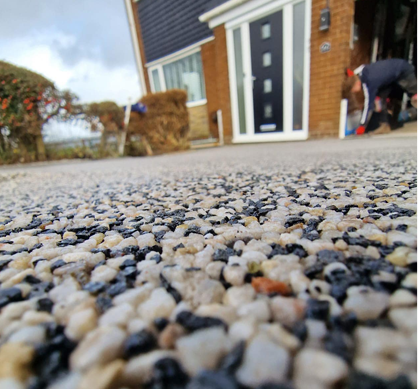
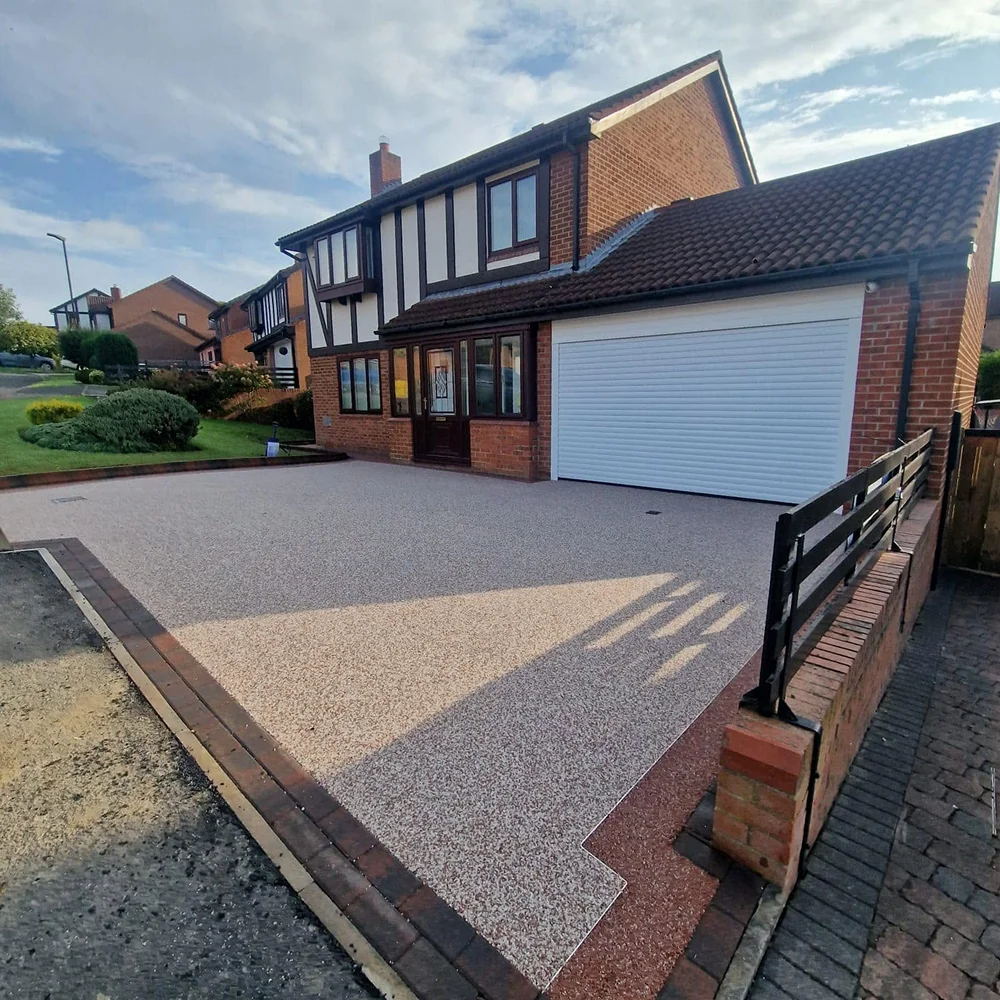
The key advantage lies in permeability. Unlike concrete or block paving laid without gaps, resin-bound systems allow water to pass through the surface and into the ground below.
A correctly installed resin system works by:
This makes a professionally installed resin driveway durham homeowners choose a practical option as well as a visual upgrade.
What is SuDS and how does resin surfacing support it?
Sustainable Drainage Systems (SuDS) are designed to manage surface water in a way that mimics natural drainage. Many local planning authorities encourage or require SuDS-compliant solutions for new or replacement driveways.
Resin-bound surfacing supports SuDS principles by:
In most residential settings, permeable resin surfaces remove the need for additional drainage channels or soakaways.
Is a resin driveway suitable for properties with existing drainage issues?
In many cases, yes, but preparation is crucial. Properties that already experience pooling or poor run-off need careful assessment before installation.
A professional survey will usually look at:
This is where experienced resin driveway services durham homeowners rely on can make a meaningful difference to long-term performance.
How does resin compare to other driveway materials for flood prevention?
Different driveway materials handle water very differently. The table below highlights how common surfaces compare.
| Surface Type | Permeable | Flood Risk Reduction | Maintenance Impact |
| Resin-bound | Yes | High | Low |
| Tarmac | No | Low | Medium |
| Concrete | No | Low | Low |
| Block paving | Sometimes | Medium | High |
| Gravel | Yes | Medium | High |
While gravel is permeable, it often migrates and requires frequent maintenance. Resin driveways offer permeability with stability and a sealed finish.
Does resin surfacing help prevent water damage to foundations?
Surface water repeatedly flowing towards a property can contribute to damp issues over time. By encouraging vertical drainage rather than lateral run-off, resin systems reduce the amount of water travelling towards walls and thresholds.
Benefits include:
For homes where driveway levels sit close to the damp-proof course, this can be particularly valuable.
What role does the sub-base play in drainage performance?
The resin surface itself is only part of the system. Beneath it sits a specially designed sub-base that allows water to disperse safely.
A high-quality installation will include:
Without this groundwork, even permeable surfaces can underperform.If you are comparing installers, it is worth discussing sub-base specifications rather than focusing only on surface appearance.
Choose your preferred outdoor space finish?

Resin

Tarmac
It just takes 2 minutes
And then you can book a free consultation
Are resin driveways suitable for all property types?
Most residential properties can accommodate resin systems, including:
A common example in Durham is a family home with an ageing concrete driveway that struggles with pooling. Replacing it with a permeable resin surface improves both drainage and kerb appeal without altering the character of the property.
Do resin surfaces cope well with heavy rainfall?
Yes, provided they are installed correctly. Resin-bound systems are designed to cope with typical UK rainfall levels, including short periods of intense downpours.
They do not prevent flooding caused by wider environmental factors, but they significantly reduce surface water build-up at property level. This makes resin driveways a sensible component of a broader flood-resilient home strategy.
The long-term performance of resin driveways depends on correct installation, which is why choosing experienced installers matters.
Choosing the right driveway surface is not just about appearance. Drainage performance, flood risk reduction and long-term durability all play an important role in protecting your home.
When professionally designed and installed, resin driveways offer a practical way to manage surface water while maintaining a clean, modern finish. For homeowners considering a resin driveway durham properties can rely on, expert assessment and correct groundwork are key.
If you would like reassurance from experienced installers or want to explore your options in more detail, you can contact North East Surfacing for clear, honest advice.
Related articles


Choose your preferred outdoor space finish?
Resin
Tarmac
At a glance
Flooding and surface water build-up are growing concerns for many UK homeowners, particularly as rainfall patterns become less predictable. Hard landscaping choices play a much bigger role in drainage than many people realise. If you are planning a new driveway or replacing an existing one, the surface you choose can directly affect how water behaves around your property.
This guide explains how modern resin systems help manage surface water, reduce flood risk, and support sustainable drainage solutions. It is written for homeowners who want clear, practical information rather than sales language.
If you would like tailored advice on whether this type of surface suits your property, you can speak to our team for guidance early in your planning process.
Why is driveway drainage such an important issue for UK homes?
Driveways sit at the front of most properties and often cover a large area. When rainfall hits an impermeable surface, water has nowhere to go except towards drains or nearby buildings.
Poor driveway drainage can lead to:
In areas like Durham, where periods of heavy rainfall are becoming more common, managing surface water responsibly is increasingly important.
How do resin driveways improve drainage compared to traditional surfaces?
The key advantage lies in permeability. Unlike concrete or block paving laid without gaps, resin-bound systems allow water to pass through the surface and into the ground below.
A correctly installed resin system works by:
This makes a professionally installed resin driveway durham homeowners choose a practical option as well as a visual upgrade.
What is SuDS and how does resin surfacing support it?
Sustainable Drainage Systems (SuDS) are designed to manage surface water in a way that mimics natural drainage. Many local planning authorities encourage or require SuDS-compliant solutions for new or replacement driveways.
Resin-bound surfacing supports SuDS principles by:
In most residential settings, permeable resin surfaces remove the need for additional drainage channels or soakaways.
Is a resin driveway suitable for properties with existing drainage issues?
In many cases, yes, but preparation is crucial. Properties that already experience pooling or poor run-off need careful assessment before installation.
A professional survey will usually look at:
This is where experienced resin driveway services durham homeowners rely on can make a meaningful difference to long-term performance.
How does resin compare to other driveway materials for flood prevention?
Different driveway materials handle water very differently. The table below highlights how common surfaces compare.
| Surface Type | Permeable | Flood Risk Reduction | Maintenance Impact |
| Resin-bound | Yes | High | Low |
| Tarmac | No | Low | Medium |
| Concrete | No | Low | Low |
| Block paving | Sometimes | Medium | High |
| Gravel | Yes | Medium | High |
While gravel is permeable, it often migrates and requires frequent maintenance. Resin driveways offer permeability with stability and a sealed finish.
Does resin surfacing help prevent water damage to foundations?
Surface water repeatedly flowing towards a property can contribute to damp issues over time. By encouraging vertical drainage rather than lateral run-off, resin systems reduce the amount of water travelling towards walls and thresholds.
Benefits include:
For homes where driveway levels sit close to the damp-proof course, this can be particularly valuable.
What role does the sub-base play in drainage performance?
The resin surface itself is only part of the system. Beneath it sits a specially designed sub-base that allows water to disperse safely.
A high-quality installation will include:
Without this groundwork, even permeable surfaces can underperform.If you are comparing installers, it is worth discussing sub-base specifications rather than focusing only on surface appearance.
Choose your preferred outdoor space finish?
Resin
Tarmac
It just takes 2 minutes
And then you can book a free consultation
Are resin driveways suitable for all property types?
Most residential properties can accommodate resin systems, including:
A common example in Durham is a family home with an ageing concrete driveway that struggles with pooling. Replacing it with a permeable resin surface improves both drainage and kerb appeal without altering the character of the property.
Do resin surfaces cope well with heavy rainfall?
Yes, provided they are installed correctly. Resin-bound systems are designed to cope with typical UK rainfall levels, including short periods of intense downpours.
They do not prevent flooding caused by wider environmental factors, but they significantly reduce surface water build-up at property level. This makes resin driveways a sensible component of a broader flood-resilient home strategy.
The long-term performance of resin driveways depends on correct installation, which is why choosing experienced installers matters.
Choosing the right driveway surface is not just about appearance. Drainage performance, flood risk reduction and long-term durability all play an important role in protecting your home.
When professionally designed and installed, resin driveways offer a practical way to manage surface water while maintaining a clean, modern finish. For homeowners considering a resin driveway durham properties can rely on, expert assessment and correct groundwork are key.
If you would like reassurance from experienced installers or want to explore your options in more detail, you can contact North East Surfacing for clear, honest advice.
Related articles
Choose your preferred outdoor space finish?
Resin
Tarmac


