 70 Morley Cresent, Kelloe, Durham DH64NS
Resin vs Block Paving: Why More Durham Homes Choose Resin Driveways
If you’re upgrading a driveway, resin and block paving are usually the two front-runners. Both can look smart, both can…

Why you can trust our content

At a glance
If you’re upgrading a driveway, resin and block paving are usually the two front-runners. Both can look smart, both can add kerb appeal, and both can be installed to a high standard. The difference is how they behave over time: cleaning, weeds, drainage, repairs, and how “busy” the surface looks day to day.
This guide compares resin and block paving in a practical, homeowner-friendly way, with a focus on what tends to suit properties in Durham. No hype, just the details that help you choose confidently.
What’s the real difference between resin and block paving?
Block paving is made up of individual blocks laid on a prepared sub-base, with sand in the joints. Resin surfacing is a bound aggregate finish laid as a continuous layer over a suitable base.
In practice, that means:
Neither is automatically “better”. The right choice depends on how you use the driveway and how much ongoing maintenance you’re happy with.
Which looks better on typical Durham homes?
Durham has a mix of property styles: terraces, semis, detached family homes, and newer estates. Both surfaces can suit these, but the look you prefer matters.
Resin tends to suit homeowners who want:
Block paving tends to suit homeowners who want:
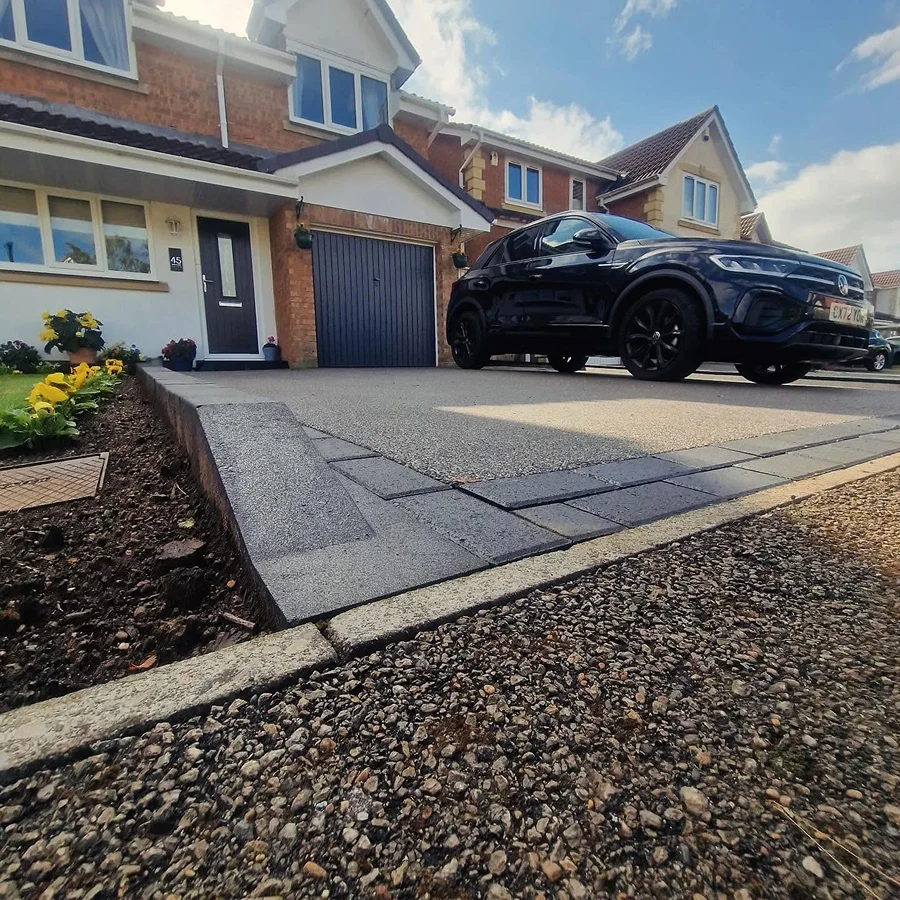
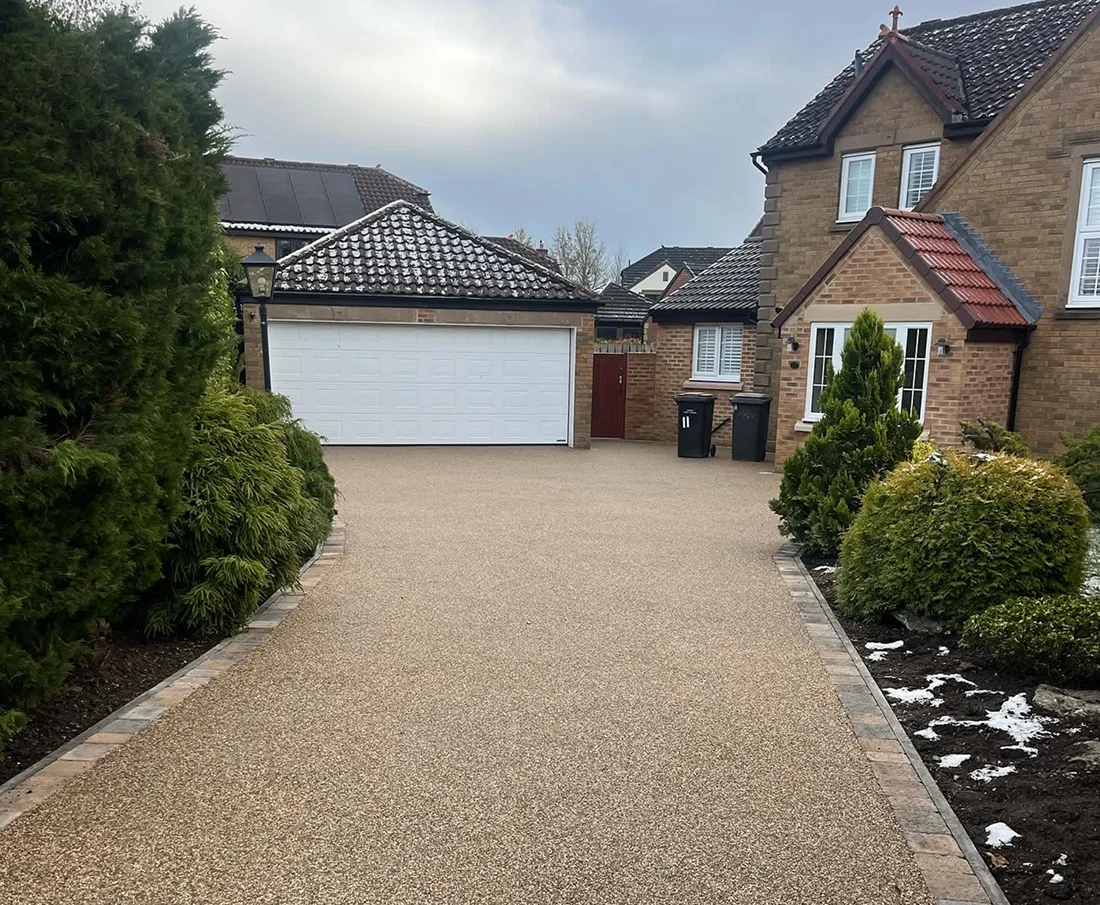
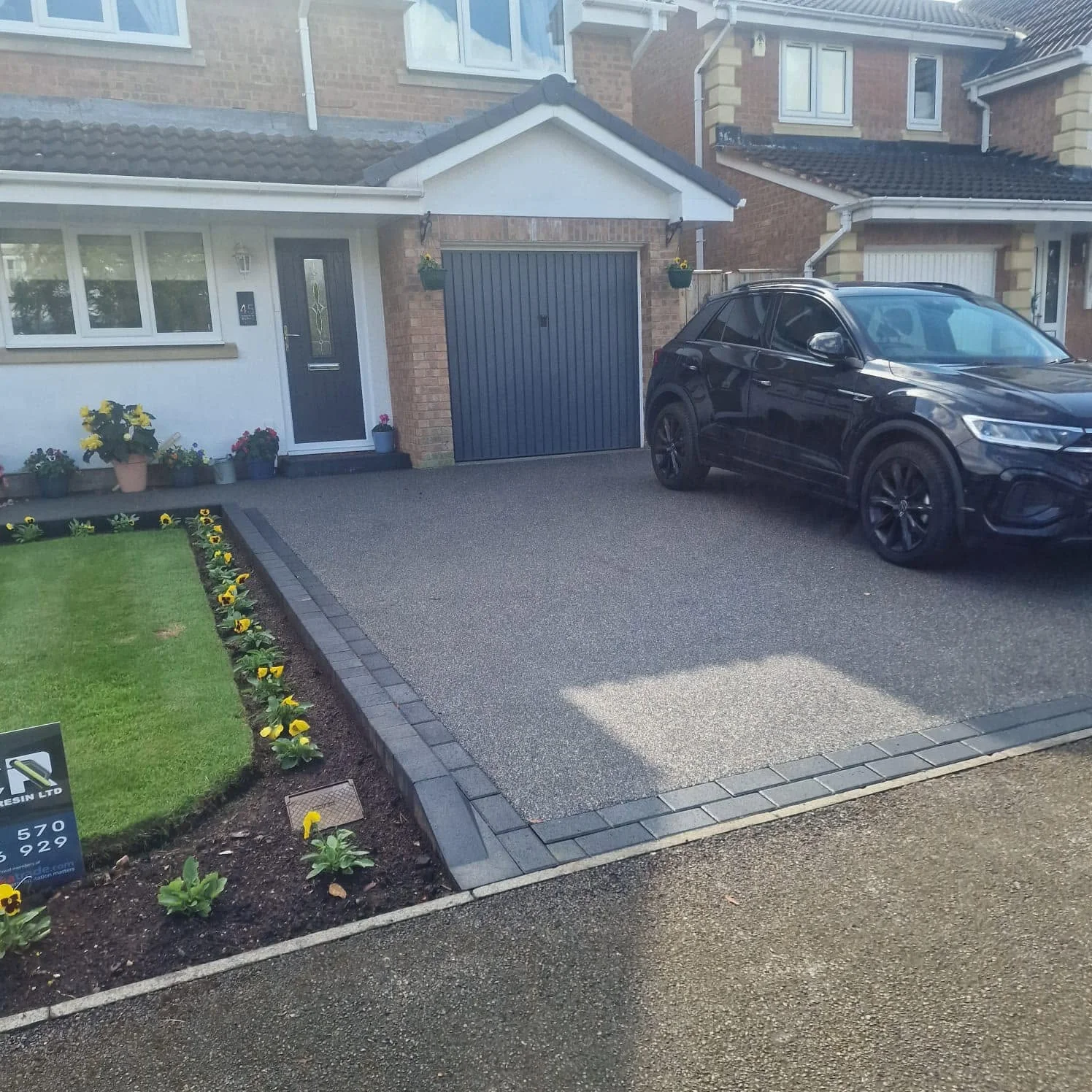
If you’re chasing kerb appeal with minimal visual fuss, resin is often associated with the best resin driveways because it delivers that neat, high-end appearance when installed well.
How do they compare for drainage and puddles?
Drainage is one of the biggest practical differences.
Resin bound systems are often designed to be permeable, allowing water to pass through the surface. Block paving can also be installed in permeable formats, but it depends on the specification and how it’s laid.
For homeowners, the key questions are:
A good installer will assess levels and propose a solution that manages water sensibly. It’s not just about the surface, it’s about the full build-up beneath it.
What about weeds, moss, and long-term maintenance?
This is where many homeowners notice the difference after a year or two.
Block paving maintenance often includes:
Resin maintenance often includes:
Resin does not mean “no maintenance”, but it can reduce the most frustrating type of maintenance: weeds and growth in dozens of joints. That’s one reason many people shortlist resin when looking at different resin driveway options.
Which is more durable for parking and daily use?
Durability depends more on base preparation than homeowners expect.
Both resin and block paving can handle domestic vehicle loads if installed correctly. Problems usually come from:
Resin driveways rely heavily on a stable base to avoid cracking or movement. Block paving can shift if the sub-base is insufficient or if edge restraints fail. In both cases, shortcuts underneath are where failures start.
Costs: resin vs block paving in Durham
Cost is not just about materials. It’s about groundwork, access, drainage, edging, and detailing.
In many quotes, the biggest differences come from:
Here’s a practical comparison of common cost drivers:
| Cost Factor | Resin Driveway | Block Paving |
| Ground preparation | Critical for performance | Critical for performance |
| Visual detailing | Colour blends, borders possible | Patterns, borders, kerb detailing |
| Weed control | Typically lower ongoing need | Often higher due to joints |
| Repairs | Must be blended properly | Blocks can be lifted and relaid |
| Cleaning | Sweeping + occasional wash | Washing + joint maintenance |
If your priority is “lowest upfront cost”, block paving can sometimes appear cheaper depending on the spec. If your priority is lower ongoing maintenance and a cleaner look, resin can offer strong value, especially when you choose from the right resin driveway options for your layout.
Choose your preferred outdoor space finish?

Resin

Tarmac
It just takes 2 minutes
And then you can book a free consultation
Are repairs easier with block paving?
Block paving has an advantage here: because it’s made of individual blocks, small sections can be lifted and re-laid more easily.
Resin repairs are possible, but they require the right approach:
This is where experienced installers matter. A team that regularly delivers the best resin driveways will explain repair expectations clearly and advise on how to prevent damage in the first place (for example, by managing heavy skips or sharp turning on soft sub-bases).
Which option adds more value to a property?
Both can add value, mainly through kerb appeal and practicality. The bigger point is whether the driveway looks tidy and functions well.
Resin can feel “premium” because it creates a unified, modern surface with minimal clutter. Block paving can add value when it’s laid neatly, kept clean, and maintained so joints do not become overgrown.
If you plan to sell in the next few years, consider:
In many cases, buyers respond well to a clean, well-finished resin surface, especially when installed by resin driveway experts who focus on the full build-up rather than just the top layer.
Quick decision guide: resin or block paving?
If you want a simple way to decide, use this checklist.
Resin may suit you if:
Block paving may suit you if:
No surface is perfect for every home. The right answer is the one that matches your priorities and your property’s conditions.
Resin and block paving can both look great in Durham, but they suit different homeowners. Resin often wins on a cleaner, more seamless look and simpler routine upkeep, while block paving offers a traditional style and straightforward sectional repairs. The best choice comes from understanding your drainage, base condition, and how you use the space day to day.
Related articles
Choose your preferred outdoor space finish?
Resin
Tarmac
At a glance
If you’re upgrading a driveway, resin and block paving are usually the two front-runners. Both can look smart, both can add kerb appeal, and both can be installed to a high standard. The difference is how they behave over time: cleaning, weeds, drainage, repairs, and how “busy” the surface looks day to day.
This guide compares resin and block paving in a practical, homeowner-friendly way, with a focus on what tends to suit properties in Durham. No hype, just the details that help you choose confidently.
What’s the real difference between resin and block paving?
Block paving is made up of individual blocks laid on a prepared sub-base, with sand in the joints. Resin surfacing is a bound aggregate finish laid as a continuous layer over a suitable base.
In practice, that means:
Neither is automatically “better”. The right choice depends on how you use the driveway and how much ongoing maintenance you’re happy with.
Which looks better on typical Durham homes?
Durham has a mix of property styles: terraces, semis, detached family homes, and newer estates. Both surfaces can suit these, but the look you prefer matters.
Resin tends to suit homeowners who want:
Block paving tends to suit homeowners who want:
If you’re chasing kerb appeal with minimal visual fuss, resin is often associated with the best resin driveways because it delivers that neat, high-end appearance when installed well.
How do they compare for drainage and puddles?
Drainage is one of the biggest practical differences.
Resin bound systems are often designed to be permeable, allowing water to pass through the surface. Block paving can also be installed in permeable formats, but it depends on the specification and how it’s laid.
For homeowners, the key questions are:
A good installer will assess levels and propose a solution that manages water sensibly. It’s not just about the surface, it’s about the full build-up beneath it.
What about weeds, moss, and long-term maintenance?
This is where many homeowners notice the difference after a year or two.
Block paving maintenance often includes:
Resin maintenance often includes:
Resin does not mean “no maintenance”, but it can reduce the most frustrating type of maintenance: weeds and growth in dozens of joints. That’s one reason many people shortlist resin when looking at different resin driveway options.
Which is more durable for parking and daily use?
Durability depends more on base preparation than homeowners expect.
Both resin and block paving can handle domestic vehicle loads if installed correctly. Problems usually come from:
Resin driveways rely heavily on a stable base to avoid cracking or movement. Block paving can shift if the sub-base is insufficient or if edge restraints fail. In both cases, shortcuts underneath are where failures start.
Costs: resin vs block paving in Durham
Cost is not just about materials. It’s about groundwork, access, drainage, edging, and detailing.
In many quotes, the biggest differences come from:
Here’s a practical comparison of common cost drivers:
| Cost Factor | Resin Driveway | Block Paving |
| Ground preparation | Critical for performance | Critical for performance |
| Visual detailing | Colour blends, borders possible | Patterns, borders, kerb detailing |
| Weed control | Typically lower ongoing need | Often higher due to joints |
| Repairs | Must be blended properly | Blocks can be lifted and relaid |
| Cleaning | Sweeping + occasional wash | Washing + joint maintenance |
If your priority is “lowest upfront cost”, block paving can sometimes appear cheaper depending on the spec. If your priority is lower ongoing maintenance and a cleaner look, resin can offer strong value, especially when you choose from the right resin driveway options for your layout.
Choose your preferred outdoor space finish?
Resin
Tarmac
It just takes 2 minutes
And then you can book a free consultation
Are repairs easier with block paving?
Block paving has an advantage here: because it’s made of individual blocks, small sections can be lifted and re-laid more easily.
Resin repairs are possible, but they require the right approach:
This is where experienced installers matter. A team that regularly delivers the best resin driveways will explain repair expectations clearly and advise on how to prevent damage in the first place (for example, by managing heavy skips or sharp turning on soft sub-bases).
Which option adds more value to a property?
Both can add value, mainly through kerb appeal and practicality. The bigger point is whether the driveway looks tidy and functions well.
Resin can feel “premium” because it creates a unified, modern surface with minimal clutter. Block paving can add value when it’s laid neatly, kept clean, and maintained so joints do not become overgrown.
If you plan to sell in the next few years, consider:
In many cases, buyers respond well to a clean, well-finished resin surface, especially when installed by resin driveway experts who focus on the full build-up rather than just the top layer.
Quick decision guide: resin or block paving?
If you want a simple way to decide, use this checklist.
Resin may suit you if:
Block paving may suit you if:
No surface is perfect for every home. The right answer is the one that matches your priorities and your property’s conditions.
Resin and block paving can both look great in Durham, but they suit different homeowners. Resin often wins on a cleaner, more seamless look and simpler routine upkeep, while block paving offers a traditional style and straightforward sectional repairs. The best choice comes from understanding your drainage, base condition, and how you use the space day to day.
Related articles
Choose your preferred outdoor space finish?
Resin
Tarmac


