 70 Morley Cresent, Kelloe, Durham DH64NS
How Resin Driveway Surfacing Works: Materials, Layers & Curing Time
Resin driveways have become a popular choice for homeowners across Durham looking for a surface that is both attractive and…

Why you can trust our content
At a glance
Resin driveways have become a popular choice for homeowners across Durham looking for a surface that is both attractive and practical. Combining durability with low maintenance, resin surfacing offers a smooth, seamless finish that enhances kerb appeal and stands the test of time. But how exactly does resin driveway surfacing work? Understanding the materials, layers, and curing process can help you make an informed decision if you’re considering a new driveway.
Whether you’re planning a full driveway renovation or simply curious about the process, this guide explains each step in detail, from preparation to the final finish. By the end, you’ll have a clear picture of what to expect and how to maintain a resin driveway for long-term value.
What Materials Are Used in Resin Driveway Surfacing?
Resin driveways rely on a combination of natural aggregates and binding agents to create a durable surface. The main materials include:
This combination of materials allows for a surface that is not only visually appealing but also resistant to cracking, weathering, and weed growth.
How Many Layers Are Involved in Resin Driveway Installation?
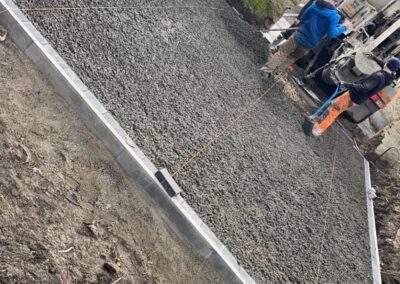
A standard resin driveway installation involves multiple carefully planned layers. Each layer plays a vital role in ensuring the final surface is strong and long-lasting:
| Layer | Purpose | Typical Thickness |
| Sub-base | Provides structural stability and supports the weight of vehicles | 100–150mm |
| Binder Layer | Acts as a bond between the sub-base and decorative surface | 10–15mm |
| Resin-Aggregate Surface | The top decorative layer, giving colour and finish | 15–20mm |
| Sealant (optional) | Adds extra protection and enhances colour | 2–3mm |
Each layer must be applied carefully. The sub-base is typically compacted and levelled before the resin binder and aggregate are mixed and poured. Ensuring each layer is correctly installed is key to preventing future cracking or surface movement.
What Is the Typical Curing Time for Resin Driveways?
One of the most common questions homeowners ask is how long resin driveways take to cure. The curing process is essential because it determines when the driveway can be used.
Weather conditions can affect curing times. Cooler, damp conditions may extend the process, whereas warm, dry days often speed it up. Your installer will advise on the best time to use the driveway to prevent damage.
How Do Resin Driveways Compare to Traditional Paving?
Many homeowners in Durham consider resin driveways as an alternative to concrete, tarmac, or block paving. Resin driveways offer several advantages:
While the upfront cost may be higher than traditional options, the long-term durability and minimal maintenance often make resin a more cost-effective choice over time.
Can Resin Driveways Handle Heavy Traffic?
Resin driveways are designed to be robust. The combination of a solid sub-base, binder layer, and resin-aggregate top layer ensures that:
For exceptionally heavy loads or commercial usage, professional installers may recommend a thicker sub-base or additional reinforcement to maintain long-term performance.
Choose your preferred outdoor space finish?

Resin

Tarmac
It just takes 2 minutes
And then you can book a free consultation
Maintenance Tips for Resin Driveways in Durham
Although resin driveways are low maintenance, a few simple steps can extend their lifespan and keep them looking new:
Case Study: A Typical Resin Driveway Installation in Durham
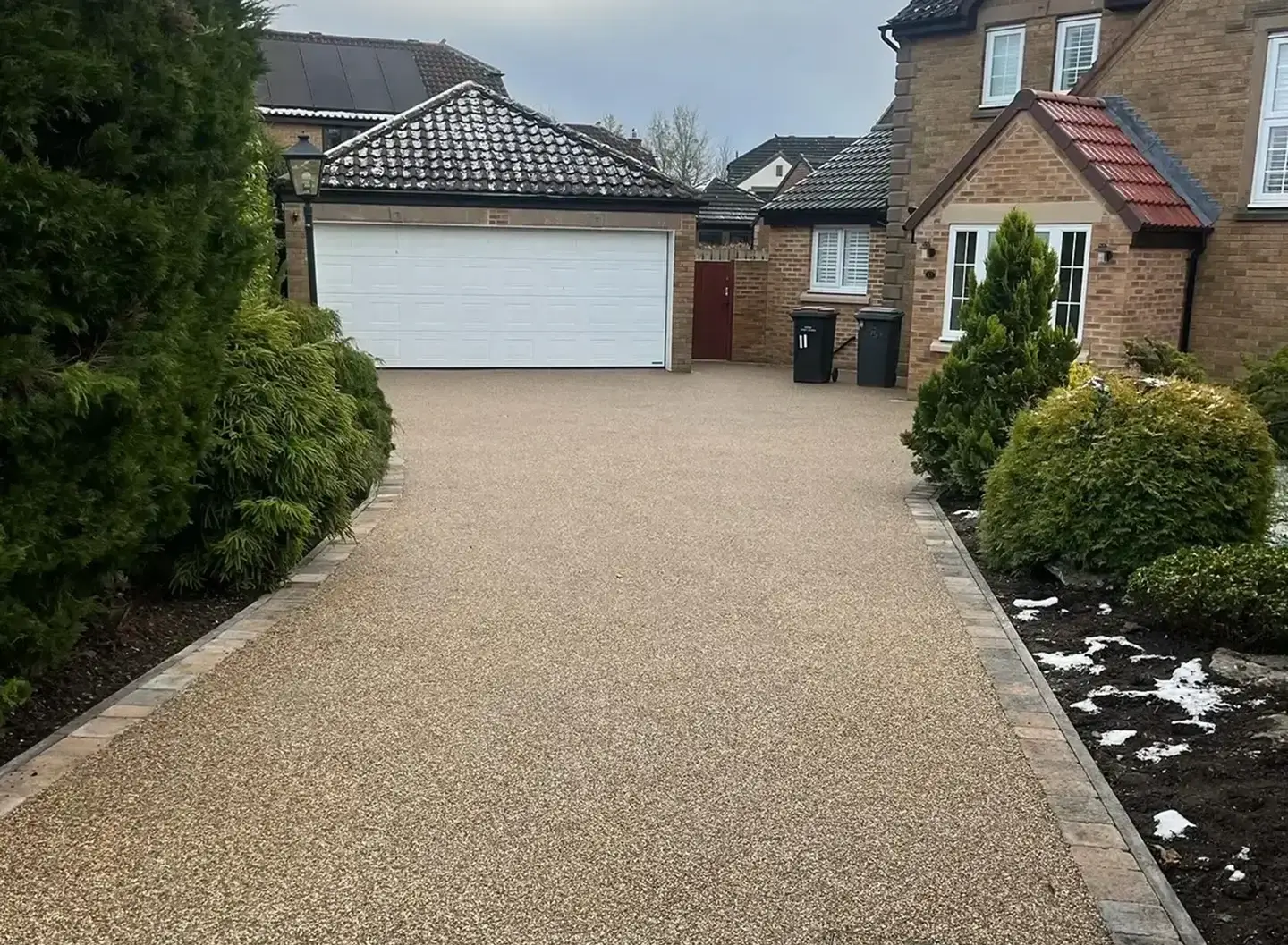
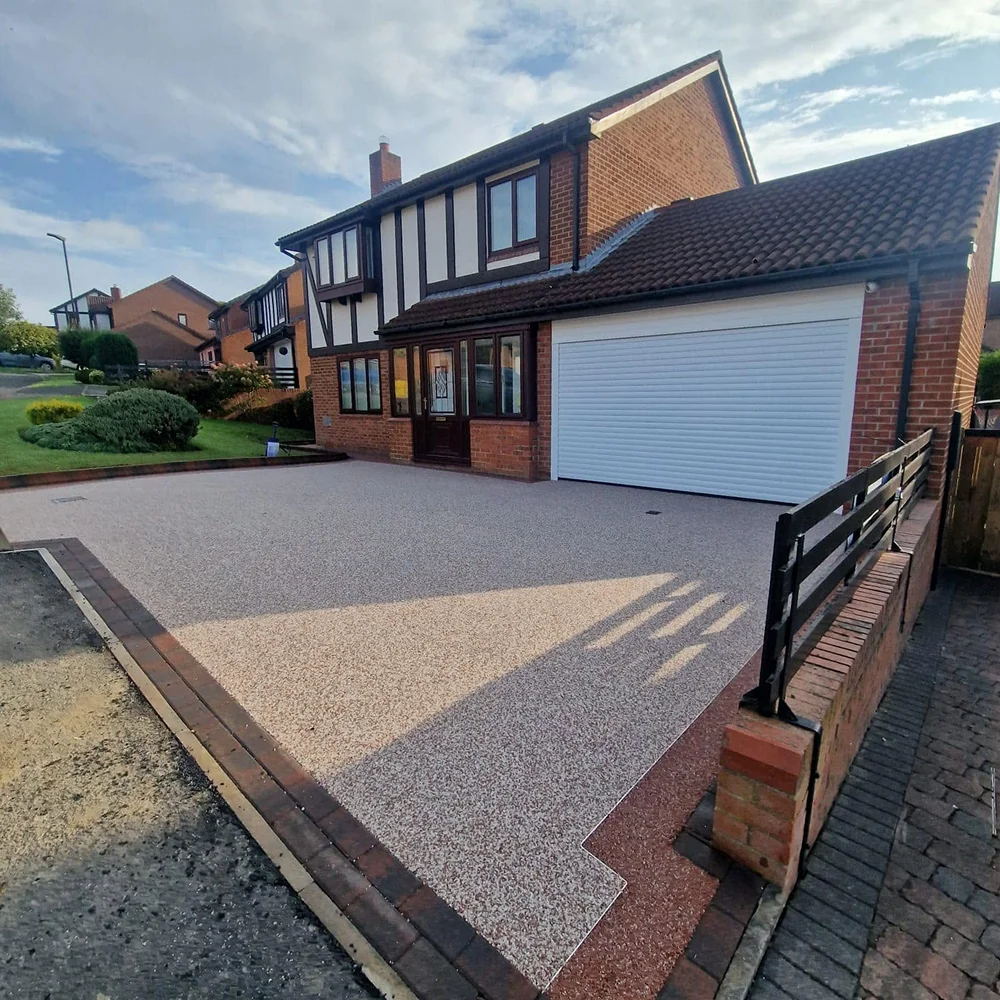
A family home in Durham recently upgraded from a tarmac driveway to a resin surface. The property had a sloped entrance, which required careful preparation of the sub-base.
The homeowners appreciated the minimal maintenance and the immediate improvement in kerb appeal.
Resin driveways offer Durham homeowners a combination of beauty, durability, and practicality. From carefully prepared sub-bases to a seamless resin-aggregate finish, each layer contributes to a surface that is long-lasting and low maintenance. Understanding the materials, layers, and curing process helps ensure your driveway remains attractive and functional for years to come.
If you’re considering a resin driveway, speak to our team at North East Surfacing for expert guidance and tailored advice on your property. With the right installation, your driveway can enhance both kerb appeal and long-term value.
Related articles
Choose your preferred outdoor space finish?
Resin
Tarmac
At a glance
Resin driveways have become a popular choice for homeowners across Durham looking for a surface that is both attractive and practical. Combining durability with low maintenance, resin surfacing offers a smooth, seamless finish that enhances kerb appeal and stands the test of time. But how exactly does resin driveway surfacing work? Understanding the materials, layers, and curing process can help you make an informed decision if you’re considering a new driveway.
Whether you’re planning a full driveway renovation or simply curious about the process, this guide explains each step in detail, from preparation to the final finish. By the end, you’ll have a clear picture of what to expect and how to maintain a resin driveway for long-term value.
What Materials Are Used in Resin Driveway Surfacing?
Resin driveways rely on a combination of natural aggregates and binding agents to create a durable surface. The main materials include:
This combination of materials allows for a surface that is not only visually appealing but also resistant to cracking, weathering, and weed growth.
How Many Layers Are Involved in Resin Driveway Installation?
A standard resin driveway installation involves multiple carefully planned layers. Each layer plays a vital role in ensuring the final surface is strong and long-lasting:
| Layer | Purpose | Typical Thickness |
| Sub-base | Provides structural stability and supports the weight of vehicles | 100–150mm |
| Binder Layer | Acts as a bond between the sub-base and decorative surface | 10–15mm |
| Resin-Aggregate Surface | The top decorative layer, giving colour and finish | 15–20mm |
| Sealant (optional) | Adds extra protection and enhances colour | 2–3mm |
Each layer must be applied carefully. The sub-base is typically compacted and levelled before the resin binder and aggregate are mixed and poured. Ensuring each layer is correctly installed is key to preventing future cracking or surface movement.
What Is the Typical Curing Time for Resin Driveways?
One of the most common questions homeowners ask is how long resin driveways take to cure. The curing process is essential because it determines when the driveway can be used.
Weather conditions can affect curing times. Cooler, damp conditions may extend the process, whereas warm, dry days often speed it up. Your installer will advise on the best time to use the driveway to prevent damage.
How Do Resin Driveways Compare to Traditional Paving?
Many homeowners in Durham consider resin driveways as an alternative to concrete, tarmac, or block paving. Resin driveways offer several advantages:
While the upfront cost may be higher than traditional options, the long-term durability and minimal maintenance often make resin a more cost-effective choice over time.
Can Resin Driveways Handle Heavy Traffic?
Resin driveways are designed to be robust. The combination of a solid sub-base, binder layer, and resin-aggregate top layer ensures that:
For exceptionally heavy loads or commercial usage, professional installers may recommend a thicker sub-base or additional reinforcement to maintain long-term performance.
Choose your preferred outdoor space finish?
Resin
Tarmac
It just takes 2 minutes
And then you can book a free consultation
Maintenance Tips for Resin Driveways in Durham
Although resin driveways are low maintenance, a few simple steps can extend their lifespan and keep them looking new:
Case Study: A Typical Resin Driveway Installation in Durham
A family home in Durham recently upgraded from a tarmac driveway to a resin surface. The property had a sloped entrance, which required careful preparation of the sub-base.
The homeowners appreciated the minimal maintenance and the immediate improvement in kerb appeal.
Resin driveways offer Durham homeowners a combination of beauty, durability, and practicality. From carefully prepared sub-bases to a seamless resin-aggregate finish, each layer contributes to a surface that is long-lasting and low maintenance. Understanding the materials, layers, and curing process helps ensure your driveway remains attractive and functional for years to come.
If you’re considering a resin driveway, speak to our team at North East Surfacing for expert guidance and tailored advice on your property. With the right installation, your driveway can enhance both kerb appeal and long-term value.
Related articles
Choose your preferred outdoor space finish?
Resin
Tarmac


