 70 Morley Cresent, Kelloe, Durham DH64NS
Resin Driveways vs Tarmac: Which Offers Better Long-Term Value?
Choosing a new driveway is a significant decision. Beyond appearance, homeowners want a surface that lasts, performs well in UK…

Why you can trust our content

At a glance
Choosing a new driveway is a significant decision. Beyond appearance, homeowners want a surface that lasts, performs well in UK weather and represents good value over time. Two of the most popular options are resin-bound surfacing and traditional tarmac.
While both have their place, they perform very differently over the long term. This guide compares resin driveways and tarmac across cost, durability, maintenance and overall value, helping homeowners in Durham make an informed decision.
If you are planning a replacement driveway and want impartial advice tailored to your property, speaking to a local specialist early can clarify which option suits your needs.
What are the main differences between resin driveways and tarmac?
At a basic level, the two surfaces are constructed very differently.
Tarmac is a solid, impermeable surface laid hot and compacted. Resin-bound driveways use natural aggregates mixed with resin to create a permeable finish.
Key differences include:
Understanding these fundamentals makes it easier to compare long-term value rather than just upfront cost.
How do resin driveways and tarmac compare on durability?
Durability is one of the biggest factors affecting value. A surface that needs frequent repairs quickly becomes expensive.
Tarmac is robust but prone to:
Resin-bound surfaces are flexible, allowing them to cope better with temperature changes. When professionally installed, many homeowners consider them among the best resin driveways for long-term reliability.
Which option performs better in wet UK weather?
Drainage plays a crucial role in surface performance, particularly during heavy rainfall.
Tarmac does not allow water to pass through, meaning:
Resin-bound driveways are permeable, allowing rainwater to drain through the surface. This reduces standing water and helps manage surface run-off more effectively.
Is maintenance lower with resin driveways or tarmac?
Both surfaces are relatively low maintenance, but there are differences over time.
Typical tarmac maintenance includes:
Resin driveways generally require:
There is no need for resealing, which contributes to lower long-term upkeep.
How does appearance affect long-term value?
Appearance might seem subjective, but it plays a role in kerb appeal and property value.
Tarmac offers a uniform, practical look but limited design flexibility. Resin driveways provide:
For homeowners focused on aesthetics, resin often feels like a more premium solution.
Cost comparison: upfront vs long-term value
Initial pricing often influences decisions, but long-term value is more complex.
| Factor | Resin Driveway | Tarmac Driveway |
| Upfront cost | Higher | Lower |
| Maintenance cost | Low | Medium |
| Drainage performance | Excellent | Limited |
| Design options | Wide | Limited |
| Lifespan | Long | Moderate |
While resin driveway cost can be higher at the outset, reduced maintenance and improved durability can balance this over time.
Does installation quality impact value?
Yes. Poor installation undermines both surfaces, but resin systems are particularly reliant on correct preparation.
A reputable resin driveway company will assess:
This attention to detail ensures the driveway performs as expected for years to come.
Which option is better for modern planning requirements?
Many local authorities favour permeable surfaces to support sustainable drainage. Resin-bound driveways often meet these requirements without additional drainage systems.
Tarmac installations may require:
This can affect both cost and complexity.
Typical example: replacing a tarmac driveway in Durham
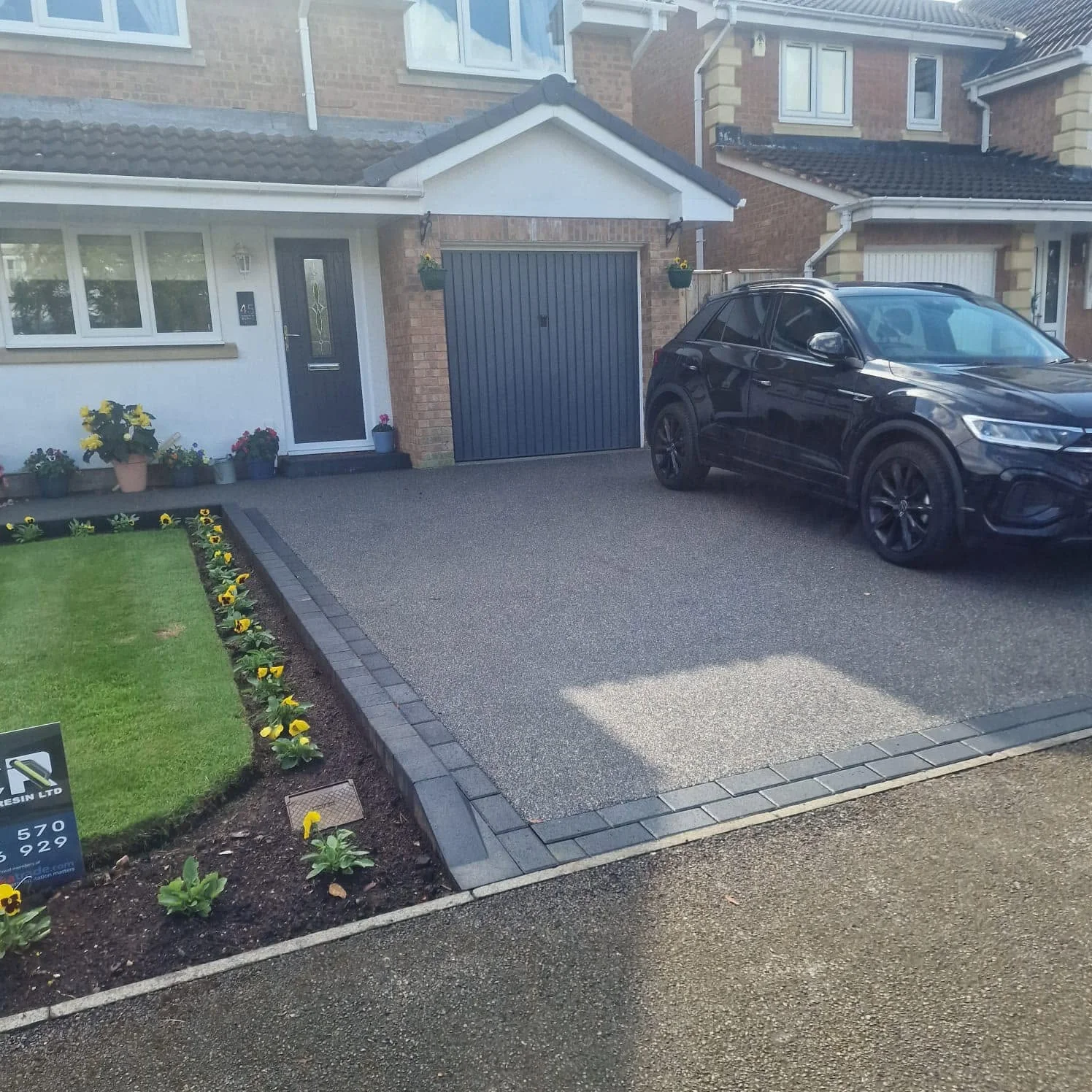
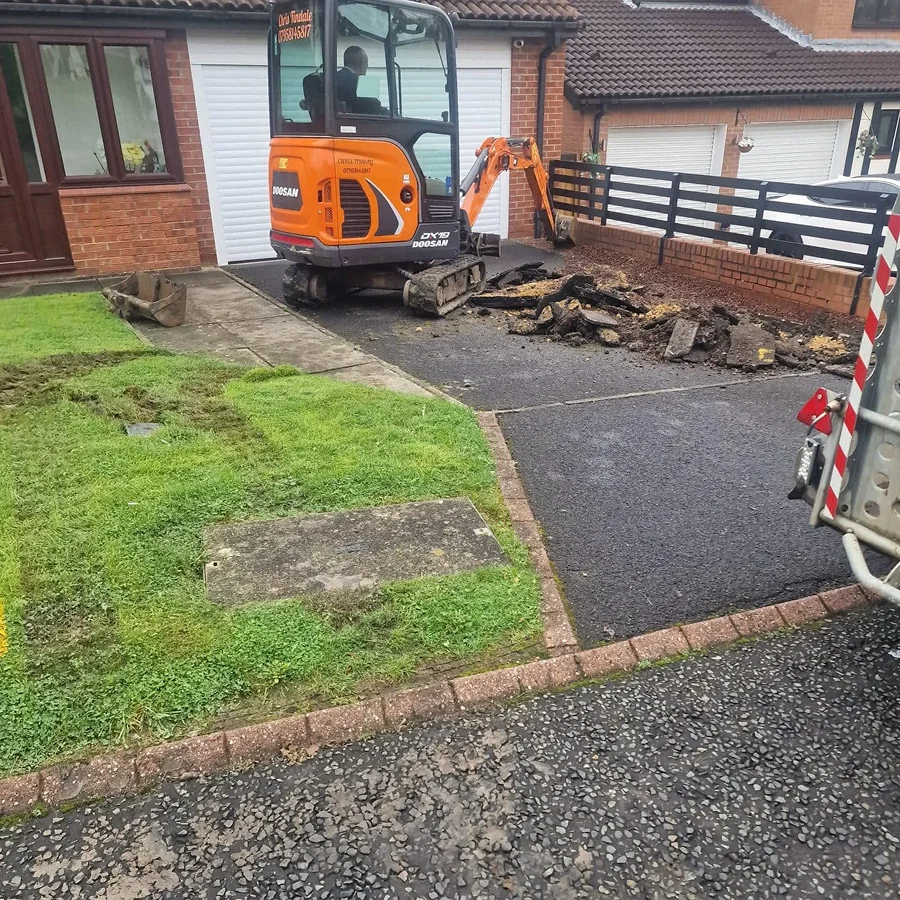
A common scenario involves an ageing tarmac driveway showing cracks and pooling after rain. Replacing it with a resin-bound surface improves drainage and refreshes the property’s appearance without expanding the driveway footprint.
Homeowners often find that this upgrade delivers better day-to-day performance alongside a visual improvement.
Are resin driveways always the better choice?
Not necessarily. Tarmac can still be suitable for:
However, for many residential properties, resin driveways offer a more balanced mix of performance, appearance and longevity. This is why they are frequently regarded as some of the best resin driveways for modern homes.If you are weighing up options, discussing your priorities with a specialist can help clarify the best route forward.
Choose your preferred outdoor space finish?

Resin

Tarmac
It just takes 2 minutes
And then you can book a free consultation
Both resin driveways and tarmac have their place, but long-term value depends on more than initial price. Drainage performance, maintenance requirements and visual appeal all influence how well a driveway performs over time.
For homeowners seeking a durable, low-maintenance and visually appealing solution, resin driveways often provide better overall value. North East Surfacing offers experienced guidance to help you decide which surface suits your property best.
If you would like expert advice or a tailored quotation, you can contact our team to discuss your driveway options with confidence.
Related articles
Choose your preferred outdoor space finish?
Resin
Tarmac
At a glance
Choosing a new driveway is a significant decision. Beyond appearance, homeowners want a surface that lasts, performs well in UK weather and represents good value over time. Two of the most popular options are resin-bound surfacing and traditional tarmac.
While both have their place, they perform very differently over the long term. This guide compares resin driveways and tarmac across cost, durability, maintenance and overall value, helping homeowners in Durham make an informed decision.
If you are planning a replacement driveway and want impartial advice tailored to your property, speaking to a local specialist early can clarify which option suits your needs.
What are the main differences between resin driveways and tarmac?
At a basic level, the two surfaces are constructed very differently.
Tarmac is a solid, impermeable surface laid hot and compacted. Resin-bound driveways use natural aggregates mixed with resin to create a permeable finish.
Key differences include:
Understanding these fundamentals makes it easier to compare long-term value rather than just upfront cost.
How do resin driveways and tarmac compare on durability?
Durability is one of the biggest factors affecting value. A surface that needs frequent repairs quickly becomes expensive.
Tarmac is robust but prone to:
Resin-bound surfaces are flexible, allowing them to cope better with temperature changes. When professionally installed, many homeowners consider them among the best resin driveways for long-term reliability.
Which option performs better in wet UK weather?
Drainage plays a crucial role in surface performance, particularly during heavy rainfall.
Tarmac does not allow water to pass through, meaning:
Resin-bound driveways are permeable, allowing rainwater to drain through the surface. This reduces standing water and helps manage surface run-off more effectively.
Is maintenance lower with resin driveways or tarmac?
Both surfaces are relatively low maintenance, but there are differences over time.
Typical tarmac maintenance includes:
Resin driveways generally require:
There is no need for resealing, which contributes to lower long-term upkeep.
How does appearance affect long-term value?
Appearance might seem subjective, but it plays a role in kerb appeal and property value.
Tarmac offers a uniform, practical look but limited design flexibility. Resin driveways provide:
For homeowners focused on aesthetics, resin often feels like a more premium solution.
Cost comparison: upfront vs long-term value
Initial pricing often influences decisions, but long-term value is more complex.
| Factor | Resin Driveway | Tarmac Driveway |
| Upfront cost | Higher | Lower |
| Maintenance cost | Low | Medium |
| Drainage performance | Excellent | Limited |
| Design options | Wide | Limited |
| Lifespan | Long | Moderate |
While resin driveway cost can be higher at the outset, reduced maintenance and improved durability can balance this over time.
Does installation quality impact value?
Yes. Poor installation undermines both surfaces, but resin systems are particularly reliant on correct preparation.
A reputable resin driveway company will assess:
This attention to detail ensures the driveway performs as expected for years to come.
Which option is better for modern planning requirements?
Many local authorities favour permeable surfaces to support sustainable drainage. Resin-bound driveways often meet these requirements without additional drainage systems.
Tarmac installations may require:
This can affect both cost and complexity.
Typical example: replacing a tarmac driveway in Durham
A common scenario involves an ageing tarmac driveway showing cracks and pooling after rain. Replacing it with a resin-bound surface improves drainage and refreshes the property’s appearance without expanding the driveway footprint.
Homeowners often find that this upgrade delivers better day-to-day performance alongside a visual improvement.
Are resin driveways always the better choice?
Not necessarily. Tarmac can still be suitable for:
However, for many residential properties, resin driveways offer a more balanced mix of performance, appearance and longevity. This is why they are frequently regarded as some of the best resin driveways for modern homes.If you are weighing up options, discussing your priorities with a specialist can help clarify the best route forward.
Choose your preferred outdoor space finish?
Resin
Tarmac
It just takes 2 minutes
And then you can book a free consultation
Both resin driveways and tarmac have their place, but long-term value depends on more than initial price. Drainage performance, maintenance requirements and visual appeal all influence how well a driveway performs over time.
For homeowners seeking a durable, low-maintenance and visually appealing solution, resin driveways often provide better overall value. North East Surfacing offers experienced guidance to help you decide which surface suits your property best.
If you would like expert advice or a tailored quotation, you can contact our team to discuss your driveway options with confidence.
Related articles
Choose your preferred outdoor space finish?
Resin
Tarmac


