 70 Morley Cresent, Kelloe, Durham DH64NS
Resin Paths or Resin Patios – Which Is Best for Your Outdoor Space?
If you’re improving the outside of your home, you might be torn between upgrading the route to your front door…

Why you can trust our content
At a glance
If you’re improving the outside of your home, you might be torn between upgrading the route to your front door or creating a better seating are va in the garden. Both can transform how the property looks and how you use it day to day, but they solve different problems.
This guide compares resin paths and resin patios in a clear, practical way for homeowners in Durham. You’ll learn what each one is best for, how installation differs, and the key questions to ask before you commit.
What’s the difference between a resin path and a resin patio?
Both surfaces use resin and aggregate to create a smooth, durable finish, but the purpose and design priorities are different.
A resin path is usually designed for:
A resin patio is usually designed for:
The resin material can be similar, but the construction choices (levels, edging, and layout) tend to differ because the spaces are used differently.
Which one improves kerb appeal more?
It depends on what is most visible.
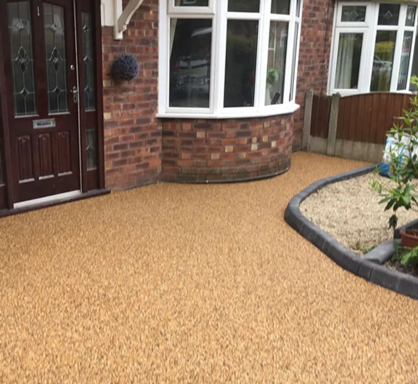
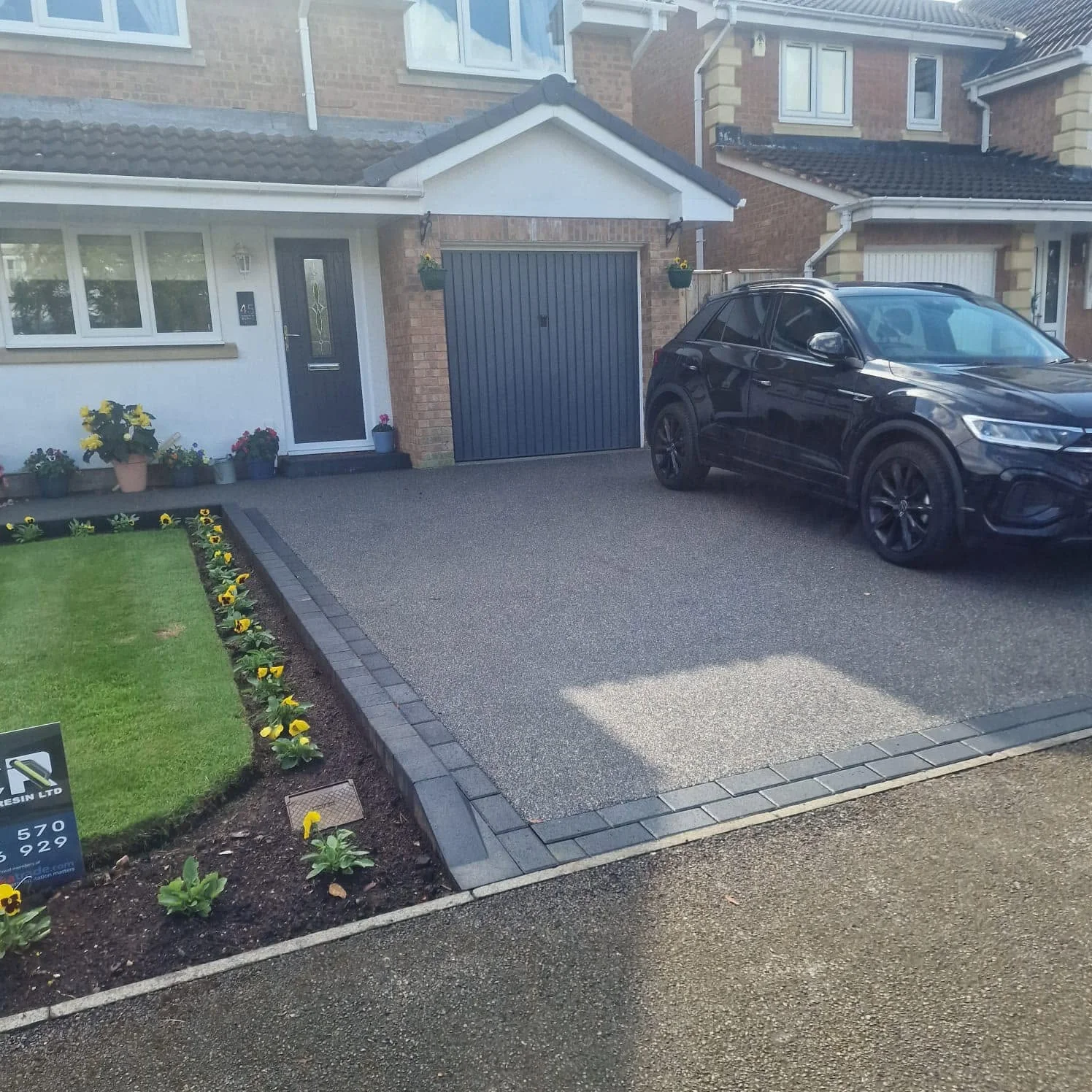
If the front of your home feels untidy because of cracked slabs, muddy grass edges, or an awkward entrance route, a resin path can make the biggest immediate difference. A neat pathway draws the eye towards the door and creates a “well cared for” impression.
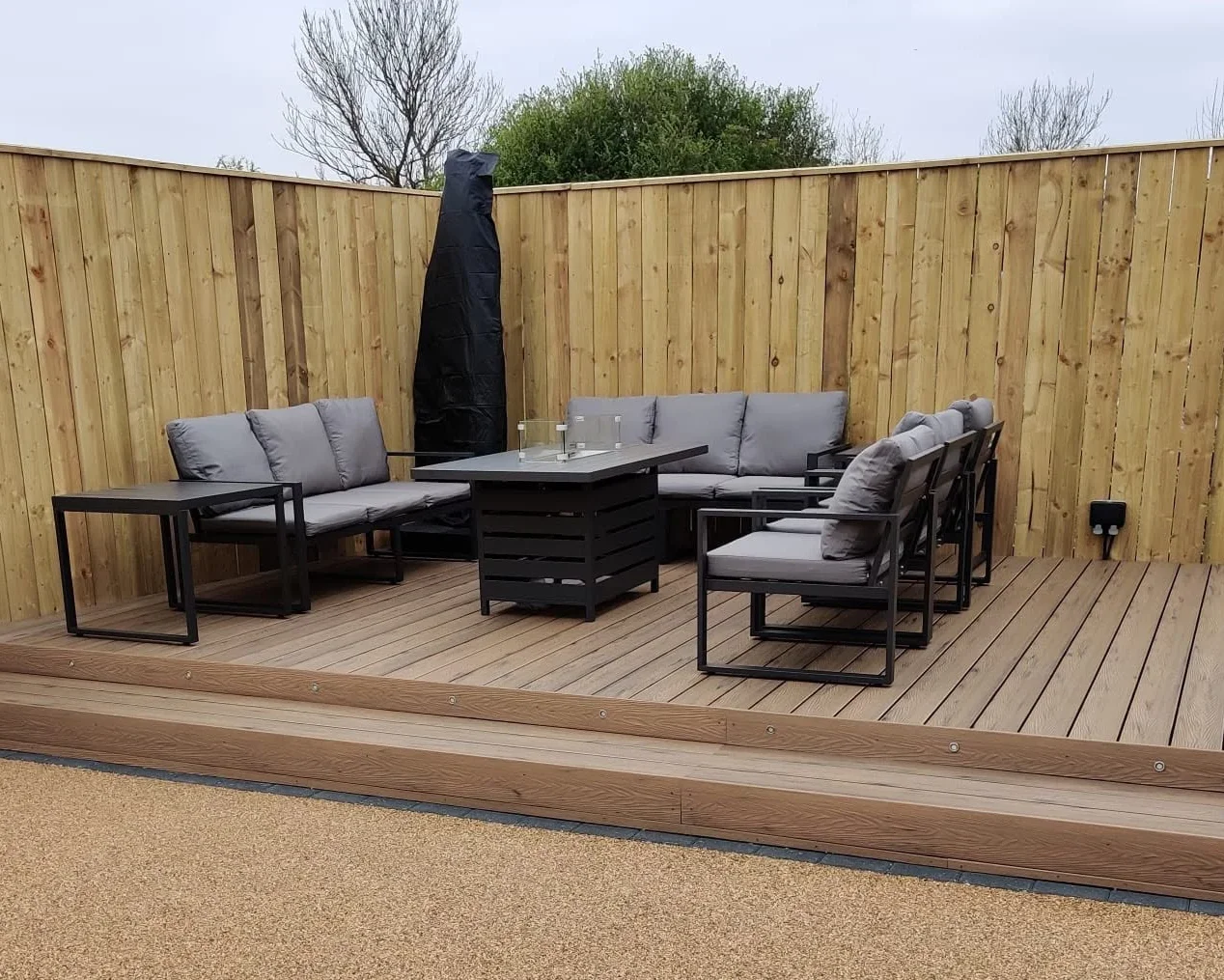
If the back garden is your main project and you want a space that feels finished and usable, a patio often delivers more lifestyle value. You’ll likely use it more frequently, especially in spring and summer.
A good resin driveway company will often advise homeowners to prioritise the area that causes the most daily frustration: entrance access or outdoor living space.
Which is safer underfoot?
Both can be safe if installed correctly, but the risk points differ.
Paths need to handle:
Patios need to handle:
If safety is a major concern, ask your installer about finish choices and maintenance routines that help keep the surface clean and grippy, especially in shaded areas.
What about drainage and puddles?
Drainage matters for both, but especially for patios because standing water around seating areas is uncomfortable and can accelerate surface growth.
A well-designed patio should have:
Paths often follow the levels of the property, so drainage is about preventing pooling at pinch points or near gate entrances.
A site survey is essential because no two gardens behave the same in heavy rain. This is where experienced resin patio installers Durham homeowners rely on will measure levels properly rather than guessing.
Installation differences: what changes between a path and a patio?
The basic principle is similar: prepare a suitable base, install edging, lay the resin system, then allow curing time. The detail, however, changes based on use.
Typical path priorities
Typical patio priorities
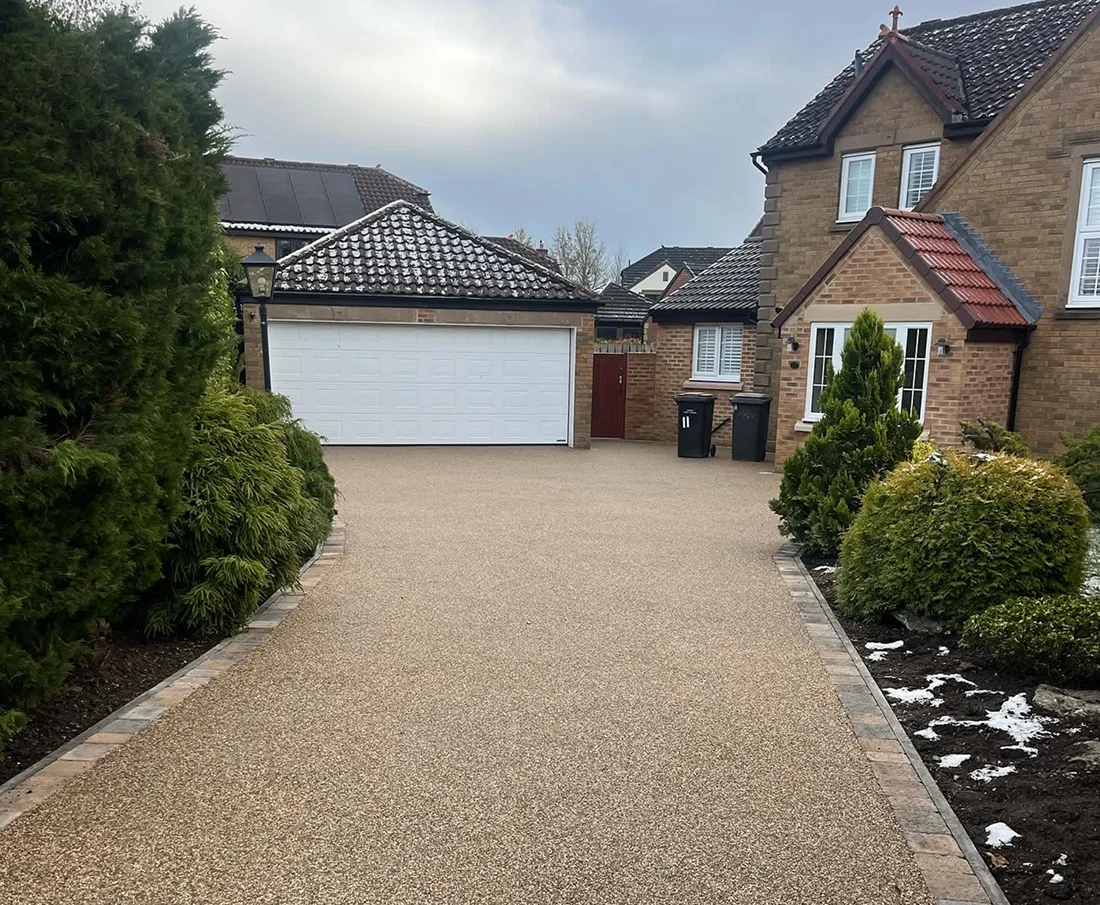
In many projects, homeowners choose to connect the front and back of the property with a consistent finish. When done well, it creates a cohesive feel, especially if the same stone blend is used across driveway, path, and patio surfaces.
Which option is lower maintenance?
Neither option is “maintenance free”, but resin can reduce the kind of maintenance many homeowners dislike, such as weeding between joints.
Paths are often lower effort because:
Patios can need a bit more attention because:
If you want the easiest routine, design choices matter. Clear edges, good drainage, and simple layouts reduce long-term work. A reliable resin driveway company should explain how to keep both surfaces looking good, rather than leaving you guessing after installation.
Choose your preferred outdoor space finish?

Resin

Tarmac
It just takes 2 minutes
And then you can book a free consultation
Costs: what tends to be more expensive?
Cost depends on size and complexity, not just whether it’s a path or patio.
Paths can be more complex than people expect because they often include:
Patios can be more expensive when they include:
Here’s a useful comparison:
| Factor | Resin Path | Resin Patio |
| Typical size | Smaller | Larger |
| Complexity | Higher at thresholds/edges | Higher in zoning/levels |
| Base work | Often targeted | Often extensive |
| Main cost driver | Access and detailing | Area and drainage falls |
| Maintenance focus | Leaves and dirt build-up | Algae control in shaded zones |
If you’re planning a full outdoor refresh, it can be more cost-effective to specify the project together, rather than treating each area as a separate job, especially when the same crew and materials are involved in the resin driveway surfacing and the garden areas.
A quick decision checklist
Choose a resin path if you want:
Choose a resin patio if you want:
If you want the “best of both”, many homeowners do a path first (to fix the daily access issue), then add the patio as the next phase when budget allows.
Resin paths and resin patios both offer a smart, practical finish, but they serve different purposes. Paths improve access and kerb appeal, while patios create a better outdoor living space. The best choice depends on where you spend time, how water behaves in your garden, and which area you want to improve first.
Related articles
Choose your preferred outdoor space finish?
Resin
Tarmac
At a glance
If you’re improving the outside of your home, you might be torn between upgrading the route to your front door or creating a better seating are va in the garden. Both can transform how the property looks and how you use it day to day, but they solve different problems.
This guide compares resin paths and resin patios in a clear, practical way for homeowners in Durham. You’ll learn what each one is best for, how installation differs, and the key questions to ask before you commit.
What’s the difference between a resin path and a resin patio?
Both surfaces use resin and aggregate to create a smooth, durable finish, but the purpose and design priorities are different.
A resin path is usually designed for:
A resin patio is usually designed for:
The resin material can be similar, but the construction choices (levels, edging, and layout) tend to differ because the spaces are used differently.
Which one improves kerb appeal more?
It depends on what is most visible.
If the front of your home feels untidy because of cracked slabs, muddy grass edges, or an awkward entrance route, a resin path can make the biggest immediate difference. A neat pathway draws the eye towards the door and creates a “well cared for” impression.
If the back garden is your main project and you want a space that feels finished and usable, a patio often delivers more lifestyle value. You’ll likely use it more frequently, especially in spring and summer.
A good resin driveway company will often advise homeowners to prioritise the area that causes the most daily frustration: entrance access or outdoor living space.
Which is safer underfoot?
Both can be safe if installed correctly, but the risk points differ.
Paths need to handle:
Patios need to handle:
If safety is a major concern, ask your installer about finish choices and maintenance routines that help keep the surface clean and grippy, especially in shaded areas.
What about drainage and puddles?
Drainage matters for both, but especially for patios because standing water around seating areas is uncomfortable and can accelerate surface growth.
A well-designed patio should have:
Paths often follow the levels of the property, so drainage is about preventing pooling at pinch points or near gate entrances.
A site survey is essential because no two gardens behave the same in heavy rain. This is where experienced resin patio installers Durham homeowners rely on will measure levels properly rather than guessing.
Installation differences: what changes between a path and a patio?
The basic principle is similar: prepare a suitable base, install edging, lay the resin system, then allow curing time. The detail, however, changes based on use.
Typical path priorities
Typical patio priorities
In many projects, homeowners choose to connect the front and back of the property with a consistent finish. When done well, it creates a cohesive feel, especially if the same stone blend is used across driveway, path, and patio surfaces.
Which option is lower maintenance?
Neither option is “maintenance free”, but resin can reduce the kind of maintenance many homeowners dislike, such as weeding between joints.
Paths are often lower effort because:
Patios can need a bit more attention because:
If you want the easiest routine, design choices matter. Clear edges, good drainage, and simple layouts reduce long-term work. A reliable resin driveway company should explain how to keep both surfaces looking good, rather than leaving you guessing after installation.
Choose your preferred outdoor space finish?
Resin
Tarmac
It just takes 2 minutes
And then you can book a free consultation
Costs: what tends to be more expensive?
Cost depends on size and complexity, not just whether it’s a path or patio.
Paths can be more complex than people expect because they often include:
Patios can be more expensive when they include:
Here’s a useful comparison:
| Factor | Resin Path | Resin Patio |
| Typical size | Smaller | Larger |
| Complexity | Higher at thresholds/edges | Higher in zoning/levels |
| Base work | Often targeted | Often extensive |
| Main cost driver | Access and detailing | Area and drainage falls |
| Maintenance focus | Leaves and dirt build-up | Algae control in shaded zones |
If you’re planning a full outdoor refresh, it can be more cost-effective to specify the project together, rather than treating each area as a separate job, especially when the same crew and materials are involved in the resin driveway surfacing and the garden areas.
A quick decision checklist
Choose a resin path if you want:
Choose a resin patio if you want:
If you want the “best of both”, many homeowners do a path first (to fix the daily access issue), then add the patio as the next phase when budget allows.
Resin paths and resin patios both offer a smart, practical finish, but they serve different purposes. Paths improve access and kerb appeal, while patios create a better outdoor living space. The best choice depends on where you spend time, how water behaves in your garden, and which area you want to improve first.
Related articles
Choose your preferred outdoor space finish?
Resin
Tarmac


